
Australia's Economic 5 Year Forecast: Opportunities for Businesses

Last updated by Editorial team at BizNewsFeed.com on Monday 5 January 2026
Australias Economic 5 Year Forecast Opportunities for Businesses

Australia's 2026-2030 Economic Outlook: A Strategic Guide for Global Business and Investors

Australia enters the second half of the 2020s with a distinctive combination of resilience, structural change, and strategic opportunity that is drawing renewed attention from the global business community. For readers of biznewsfeed.com, which tracks cross-border trends in AI, banking, business, crypto, the wider economy, sustainability, founders, funding, global markets, technology, jobs, and travel, Australia's next five years offer a case study in how a mature, resource-rich economy can reposition itself for an era defined by decarbonisation, digitalisation, and geopolitical realignment.

While the country's reputation has long rested on its political stability, strong institutions, and abundant natural resources, the forces shaping its economic trajectory through 2030 are markedly different from those that powered the commodities supercycle of the early 2000s. Growth will be steadier rather than spectacular, but the quality and composition of that growth are changing in ways that matter deeply for capital allocation, corporate strategy, and talent planning. Businesses that understand this shift can position themselves to capture value in sectors ranging from renewable energy and critical minerals to AI-driven services, advanced manufacturing, and high-value tourism and education.

From the vantage point of biznewsfeed.com, Australia is no longer simply a peripheral supplier to the global economy; it is becoming a testbed for how advanced economies can blend sustainability, technology, and services into a coherent growth model. This article examines the country's macroeconomic outlook, sectoral dynamics, risk landscape, and strategic positioning, offering a forward-looking analysis tailored to decision-makers across North America, Europe, Asia, and beyond.

Macroeconomic Stability in a Fragmented World

Between 2026 and 2030, Australia's GDP growth is expected to remain in the range of roughly 2.0-2.8 percent per year, placing it among the more stable mid-growth economies in the OECD. While this is below the breakneck pace of the China-led resource boom years, it underscores a transition toward a more diversified and service-oriented economy. Inflation, which surged in the early 2020s amid pandemic aftershocks, supply chain disruptions, and energy price volatility, has eased back toward the Reserve Bank of Australia target band of 2-3 percent, allowing monetary policy to move from aggressive tightening toward a more neutral or mildly accommodative stance.

This macro backdrop creates a relatively predictable environment for global investors comparing opportunities across regions. Fiscal policy remains anchored in a commitment to medium-term sustainability, yet governments at both federal and state levels are prepared to deploy targeted spending for infrastructure, green transition projects, and innovation support. Unemployment is projected to hover around 4 percent, but beneath this headline figure lies a more complex story of sectoral churn, as automation, AI, and new business models reshape demand for skills.

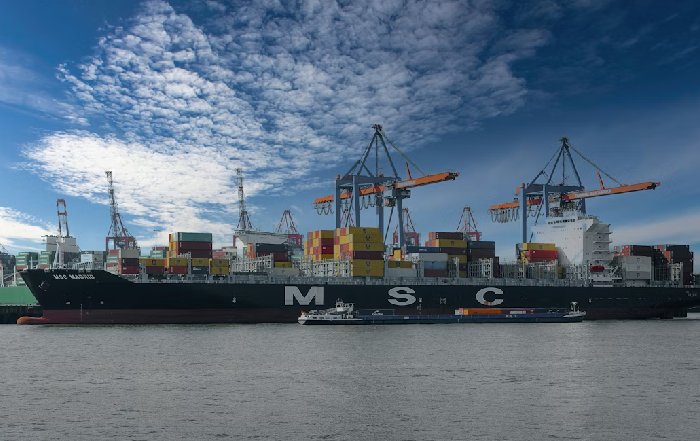
Australia's external accounts remain supported by strong exports of iron ore, LNG, and increasingly lithium and other critical minerals. However, the composition of export earnings is gradually tilting toward higher value-added activities and services, including education, tourism, financial services, and digital solutions. For readers monitoring broader global patterns, it is useful to situate Australia within the context of international economic outlooks and evolving global market dynamics, as the country's performance is tightly linked to demand trends in Asia, the United States, and Europe.

AI and Technology as Engines of Productivity

The defining feature of Australia's growth model for the late 2020s is the deep integration of digital technologies and artificial intelligence across the economy. What began as a wave of cloud migration and basic automation has evolved into a more sophisticated deployment of machine learning, generative AI, and data-intensive analytics in sectors as diverse as mining, healthcare, logistics, retail, and professional services.

Major banks, insurers, and retailers are embedding AI into risk modelling, fraud detection, and personalised customer engagement, while mining and energy companies are using predictive analytics to optimise asset utilisation and reduce downtime. In agriculture, AI-enabled decision tools are improving yields and water efficiency, and in healthcare, AI is increasingly present in diagnostics, imaging, and patient triage. The cumulative effect is a gradual, but meaningful, uplift in productivity in an economy that has historically struggled to sustain strong productivity growth.

For technology founders and investors, Australia's AI ecosystem offers a combination of sophisticated demand, robust regulation, and access to regional markets. Innovation districts in Sydney, Melbourne, Brisbane, and Perth host a growing number of startups and scale-ups that are attracting international venture capital and forming partnerships with global technology leaders. Readers seeking to track these developments in depth can follow dedicated coverage of AI and automation trends and broader technology sector analysis on biznewsfeed.com, while global perspectives on responsible AI can be explored through organisations such as the OECD AI Policy Observatory.

Banking, Fintech, and the Evolution of Capital

Australia's financial system remains one of its most globally connected and systemically important sectors, with Sydney and Melbourne increasingly positioned as complementary financial hubs for the Asia-Pacific region. The Reserve Bank of Australia, the Australian Prudential Regulation Authority (APRA), and the Australian Securities and Investments Commission (ASIC) continue to emphasise prudential stability, yet they are also engaged in carefully managed experimentation around digital assets, tokenisation, and instant payments.

Over the next five years, open banking frameworks, real-time payment rails, and the growing maturity of fintech firms will further erode the boundaries between traditional banks and digital challengers. Incumbent institutions are investing heavily in modernising core systems, partnering with fintechs, and deploying AI for compliance, credit assessment, and customer experience. At the same time, regulatory clarity around digital assets is supporting a measured expansion of blockchain-based solutions for trade finance, cross-border payments, and capital markets infrastructure.

For global investors and corporate treasurers, Australia offers a jurisdiction that combines innovation with strong legal protections and governance standards, making it an attractive base for regional treasury operations and fintech experimentation. Readers who follow banking sector developments and the intersection of crypto and finance on biznewsfeed.com will recognise Australia as a bellwether for how advanced economies can blend financial stability with digital disruption. Additional context on prudential regulation and systemic risk can be found via the Bank for International Settlements.

Renewable Energy, Critical Minerals, and the Net-Zero Pivot

Australia's path to 2030 is inseparable from its response to climate change and the global energy transition. Once criticised for its heavy dependence on coal exports and fossil-fuel generation, the country is now repositioning itself as a renewable energy and critical minerals powerhouse. Large-scale solar and wind projects, backed by both domestic superannuation funds and international investors, are proliferating across the country, while grid-scale batteries and pumped hydro are being deployed to stabilise a more variable energy system.

At the same time, Australia's endowment of lithium, nickel, cobalt, and rare earths has become strategically important for global supply chains supporting electric vehicles, battery storage, and clean energy technologies. Policy initiatives are increasingly focused on capturing more of the value chain domestically, through refining, processing, and in some cases component manufacturing, rather than exporting raw ore. This shift is reinforced by the government's National Hydrogen Strategy, which aims to make Australia a leading exporter of green hydrogen to markets such as Japan, South Korea, Singapore, and potentially Europe.

For businesses and investors, the convergence of renewable energy, critical minerals, and hydrogen presents a suite of opportunities in project development, technology supply, engineering services, and financing structures such as green bonds and sustainability-linked loans. Those seeking a more granular perspective on climate-aligned investment can explore sustainable business and ESG trends on biznewsfeed.com, as well as international resources on climate finance and transition pathways provided by the International Energy Agency.

Trade Diversification and Strategic Partnerships

In an era of heightened geopolitical tension and supply chain reconfiguration, Australia's trade strategy between now and 2030 is focused on diversification and resilience. China remains a critical market for resources and education, but recent disruptions have underlined the risks of over-concentration. As a result, Australia is deepening its economic ties with India, Southeast Asia, the European Union, and the United Kingdom, leveraging existing and new free trade agreements to expand market access for goods and services.

The Australia-UK Free Trade Agreement and ongoing cooperation with the EU, combined with participation in the Comprehensive and Progressive Agreement for Trans-Pacific Partnership (CPTPP) and the Regional Comprehensive Economic Partnership (RCEP), provide a framework for expanded exports in agriculture, advanced manufacturing, professional services, and digital trade. At the same time, strategic arrangements such as AUKUS are catalysing investment and collaboration in defence, cybersecurity, and advanced technologies, further embedding Australia within Western security and technology networks while maintaining strong economic engagement with Asia.

For multinational corporations and mid-market exporters, this evolving web of agreements and alliances creates a rich set of options for regional headquarters, production bases, and cross-border partnerships. Readers can follow ongoing global trade and policy coverage on biznewsfeed.com, while the World Trade Organization offers additional insight into the broader multilateral trade environment in which Australia operates.

Advanced Manufacturing, Infrastructure, and Urban Transformation

Australia's ambition to move up the value chain is clearly visible in its advanced manufacturing and infrastructure agendas. Policies such as the Modern Manufacturing Strategy and state-level industry roadmaps are channelling support toward sectors including aerospace, defence, medical technology, critical minerals processing, and clean energy equipment. This is driving demand for robotics, additive manufacturing, industrial IoT, and AI-enabled design tools, particularly in innovation hubs around Sydney, Melbourne, Adelaide, and Perth.

Parallel to this industrial shift is a sustained wave of infrastructure investment. Population growth, driven in part by a renewed emphasis on skilled migration, is putting pressure on urban transport, housing, and utilities. In response, governments are pushing forward with metro rail expansions, inter-city transport links, renewable-powered grids, and digital infrastructure including nationwide 5G and early-stage 6G trials. Public-private partnerships are central to financing these projects, and ESG criteria are now embedded in procurement and financing decisions, ensuring that new assets align with climate and social objectives.

For construction firms, engineering consultancies, technology providers, and institutional investors, the next five years will bring a steady pipeline of opportunities tied to urban densification, smart city initiatives, and industrial precinct development. Readers seeking to understand how these trends intersect with corporate strategy can explore economy insights and broader business analysis on biznewsfeed.com, while the World Bank provides a comparative lens on infrastructure and urban development in other regions.

Agriculture, Agri-Tech, and Food Security

Agriculture remains a cornerstone of Australia's export profile, but the sector is undergoing a profound transformation as climate pressures, water constraints, and shifting consumer preferences reshape production and market dynamics. Producers are increasingly deploying agri-tech solutions such as satellite imagery, drones, AI-driven crop and livestock monitoring, and precision irrigation to enhance productivity and resilience. Blockchain-based traceability systems are being adopted to verify provenance and sustainability credentials for premium export markets in Asia, the Middle East, Europe, and North America.

Demand for high-quality beef, wine, grains, dairy, and horticultural products remains strong, but there is parallel growth in plant-based proteins, alternative foods, and niche organic products. This creates space for startups and scale-ups that combine biotechnology, data science, and advanced logistics to serve both domestic and international markets. Financing for agri-tech ventures is increasing, with both traditional agribusiness players and technology-focused investors participating in funding rounds.

For founders and investors interested in the intersection of food security, technology, and sustainability, Australia offers a fertile testing ground with sophisticated supply chains and demanding export markets. biznewsfeed.com regularly highlights these themes through dedicated coverage of founders and entrepreneurial stories and evolving funding landscapes, complementing global insights on food systems and climate resilience from organisations such as the Food and Agriculture Organization of the United Nations.

Tourism, Education, and the Experience Economy

By the mid-2020s, Australia's tourism and international education sectors had largely recovered from the severe disruptions of the pandemic era, and they are now entering a phase of measured expansion with a stronger emphasis on sustainability and digital engagement. The country's natural assets-from the Great Barrier Reef and outback landscapes to coastal cities and wine regions-continue to attract visitors from Asia, Europe, and North America, but operators are increasingly focused on lower-impact, higher-value tourism that aligns with environmental and cultural preservation.

International education remains one of Australia's largest service exports, with universities in Sydney, Melbourne, Brisbane, Adelaide, and Perth drawing students from China, India, Southeast Asia, and the Middle East. Hybrid models that combine on-campus experiences with high-quality digital delivery are expanding reach and resilience, while post-study work rights and skilled migration pathways help integrate international graduates into the domestic labour market. This, in turn, supports sectors facing skills shortages, including technology, healthcare, and engineering.

For investors and operators across travel, hospitality, aviation, and education technology, the next five years will be defined by innovation in customer experience, sustainability standards, and digital platforms. Readers can follow these shifts through travel and mobility coverage and broader global business reporting on biznewsfeed.com, while global tourism trends and sustainability guidelines can be explored via the UN World Tourism Organization.

Labour Markets, Skills, and the Future of Work

Australia's labour market outlook through 2030 is shaped by two intersecting forces: demographic trends and technological change. The country's relatively young and growing population, reinforced by immigration, provides a buffer against the ageing challenges facing many advanced economies, yet the demand for specialised skills in AI, cybersecurity, engineering, healthcare, and green technologies outstrips domestic supply. This skills gap is one of the most significant structural constraints on growth identified by business leaders.

In response, governments and industry are investing in reskilling and upskilling programs, vocational education reforms, and partnerships between universities and employers. Remote and hybrid work models, normalised during the pandemic, have persisted, enabling professionals to live in regional centres while working for employers in major cities or even overseas. This is reshaping real estate markets and contributing to the economic revitalisation of regional communities.

For employers, the challenge is to design workforce strategies that combine competitive remuneration, flexible work arrangements, and clear development pathways in order to attract and retain talent in a highly mobile global labour market. Readers can keep abreast of these dynamics through jobs and workforce coverage and timely business news updates on biznewsfeed.com, while international comparisons on skills and employment can be drawn from sources such as the International Labour Organization.

Capital Flows, Venture Ecosystems, and Digital Assets

Australia's reputation as a safe, well-governed destination for capital remains intact, and its large superannuation system continues to be a powerful domestic source of long-term investment. Over the next five years, superannuation funds are expected to deepen their allocations to infrastructure, renewable energy, private equity, and venture capital, reinforcing the growth of local innovation ecosystems. Foreign direct investment is also likely to remain robust, particularly in sectors aligned with decarbonisation, digital infrastructure, and advanced manufacturing.

The startup and scale-up landscape in Australia has matured significantly, with fintech, healthtech, cleantech, and enterprise software among the most dynamic segments. Government initiatives, corporate venturing, and international investors are all contributing to a healthier funding pipeline from seed to later stages. For founders, the challenge is less about initial capital access and more about scaling globally from an Australian base, navigating issues such as market entry, talent acquisition, and regulatory complexity across jurisdictions.

Digital assets and blockchain technologies are set to play a larger role in Australia's financial architecture, as regulators refine frameworks for tokenised securities, stablecoins, and decentralised finance platforms. This measured approach to innovation is drawing interest from both domestic and foreign players seeking a jurisdiction that balances experimentation with investor protection. Readers can explore these themes further via crypto and digital asset coverage, funding and capital markets insights, and broader markets reporting on biznewsfeed.com.

Strategic Outlook: Why Australia Matters for Global Business

For corporate leaders, investors, founders, and policymakers across the United States, Europe, Asia, Africa, and the Americas, Australia's 2026-2030 outlook offers a compelling mix of stability, opportunity, and strategic relevance. The country is consolidating its role as a key supplier of critical minerals and renewable energy, a sophisticated hub for financial and professional services, a laboratory for AI and digital innovation, and a trusted provider of high-quality education, healthcare, and tourism experiences.

Risks remain. Geopolitical tensions in the Indo-Pacific, climate-related shocks, housing affordability pressures, and persistent skills shortages all have the potential to disrupt growth if not managed effectively. Yet from the perspective of biznewsfeed.com, which regularly tracks cross-sector and cross-border developments across business, economy, global markets, and emerging technologies, Australia stands out as a jurisdiction where institutional strength, policy pragmatism, and private-sector dynamism create a favourable environment for long-term strategic bets.

For decision-makers evaluating where to deploy capital, locate regional operations, or source innovation partners, Australia's next five years should not be viewed merely as a continuation of past trends. Instead, they represent a period in which the country is redefining its economic identity-shifting from a predominantly resource-driven exporter to a diversified, technology-enabled, and sustainability-focused economy that is deeply integrated into both Western and Asian networks. As biznewsfeed.com continues to monitor and analyse developments across AI, banking, crypto, sustainability, founders, funding, jobs, markets, technology, and travel, Australia will remain a central reference point for how advanced economies can navigate the complex, interconnected challenges of the late 2020s and beyond.

Readers seeking ongoing analysis, sector-specific case studies, and global comparisons can continue their exploration across the full spectrum of coverage at biznewsfeed.com.

Top 20 Business Management Jobs in Europe: A Detailed Guide

Last updated by Editorial team at BizNewsFeed.com on Monday 5 January 2026
Top 20 Business Management Jobs in Europe A Detailed Guide

The 20 Most In-Demand Business Management Roles in Europe in 2026

Europe in 2026 continues to stand out as one of the most dynamic regions in the world for business leadership and management careers, and for the editorial team at BizNewsFeed this evolution is not an abstract trend but a daily reality reflected in the stories, founders, and companies tracked across the continent's markets. With its mix of mature economies, ambitious emerging hubs, and a regulatory environment that increasingly shapes global standards, Europe offers a remarkably rich landscape for management professionals who can combine strategic insight, technological fluency, and cross-cultural competence. From the post-Brexit repositioning of the United Kingdom and the industrial strength of Germany, to the financial sophistication of Switzerland and the innovation ecosystems in France, Netherlands, and the Nordics, the region functions as a testing ground for new models of leadership that are closely watched from North America, Asia, and beyond.

In this context, the demand for business managers who can navigate complex markets, interpret shifting regulatory frameworks, and lead digital and sustainable transformation has intensified. These roles are not confined to established multinationals; they are equally critical in fast-scaling startups, sustainability-driven enterprises, and government-backed innovation programs that run from Berlin to Barcelona and from Stockholm to Singapore. Drawing on the themes covered every day on BizNewsFeed's business desk and its specialist coverage of AI and technology, banking and markets, and global economic developments, this article examines the 20 most important business management roles shaping Europe's competitive position in 2026, outlining why they matter, what they require, and how they are evolving in a world defined by digitalization, sustainability, and geopolitical uncertainty.

Chief Executive Officer (CEO)

The Chief Executive Officer remains the ultimate steward of corporate direction in Europe, yet the expectations surrounding the role have expanded dramatically over the past decade. European CEOs are now judged not only on earnings and market share, but also on their ability to integrate environmental, social, and governance (ESG) priorities into core strategy, respond credibly to climate risk, and harness artificial intelligence responsibly. In leading companies headquartered in Frankfurt, Paris, London, Amsterdam, and Zurich, CEOs must balance the demands of shareholders with those of regulators, employees, civil society, and increasingly vocal institutional investors who reference frameworks from organizations such as the World Economic Forum when assessing long-term resilience and purpose.

For executive leaders operating across Europe, North America, and Asia, the CEO role in 2026 is defined by multi-dimensional risk management and constant communication. Whether guiding an industrial champion in Germany, a fintech scale-up in the United Kingdom, or a renewable energy pioneer in Spain or Denmark, the CEO must set a vision that embraces digital transformation, anticipates regulatory change from bodies like the European Commission, and ensures that the organization's culture can attract and retain highly mobile global talent. The coverage of leadership transitions and boardroom shifts on BizNewsFeed's main news hub underscores how frequently European CEOs are now evaluated on their credibility in AI adoption, decarbonisation strategies, and geopolitical risk navigation, not just on quarterly performance.

Chief Financial Officer (CFO)

The Chief Financial Officer in Europe has moved far beyond the traditional remit of financial reporting and cost control to become one of the most strategically influential figures in the executive suite. In 2026, CFOs in France, Italy, Switzerland, and the Nordics are expected to master advanced analytics, scenario modeling, and digital finance platforms that enable real-time decision-making in volatile markets. They must integrate insights from AI-driven forecasting tools, manage exposure to currency and interest rate fluctuations across Europe and North America, and support board-level debates on capital allocation between core operations, innovation bets, and sustainability-linked investments.

European CFOs are also at the center of the region's accelerating push towards green and transition finance, often working within frameworks informed by institutions such as the European Central Bank and the European Investment Bank. Their responsibilities extend into managing compliance with complex ESG disclosure requirements, including the EU's Corporate Sustainability Reporting Directive, while also understanding how cryptoassets and tokenized securities are reshaping capital markets. Readers following the evolution of digital finance on BizNewsFeed's banking section and the parallel rise of crypto innovation will recognize that the modern European CFO is as much a strategist and risk architect as a guardian of the balance sheet, often acting as a bridge between the board, investors, regulators, and technology teams.

Chief Operating Officer (COO)

The Chief Operating Officer has become indispensable in a Europe marked by intricate supply chains, regulatory diversity, and heightened expectations around operational resilience. COOs overseeing pan-European operations must align manufacturing plants in Germany and Czech Republic, logistics hubs in Netherlands and Belgium, and service centers in Portugal, Poland, or Romania, while ensuring compliance with national labor laws, tax regimes, and sector-specific regulations. They are expected to orchestrate seamless operations across borders, integrating physical and digital infrastructure so that companies can respond quickly to disruptions ranging from geopolitical tensions affecting Eastern Europe to climate-related events impacting transport routes and energy availability.

In 2026, COOs are also leading the practical execution of digital transformation agendas by deploying AI-enabled planning tools, robotic process automation, and Internet of Things (IoT) platforms across factories, warehouses, and distribution networks. Their performance is increasingly measured by their ability to reduce carbon footprints, improve resource efficiency, and embed circular economy principles into operational design, aligning with EU sustainability targets and expectations from global investors. For readers of BizNewsFeed's coverage of technology-driven operations, the COO emerges as the executive who translates strategic ambition into repeatable, data-informed processes that work consistently across Europe, Asia, and Africa.

Chief Technology Officer (CTO)

The Chief Technology Officer has become one of the most critical leadership roles in Europe's race to remain globally competitive in AI, cloud computing, cybersecurity, and advanced manufacturing. CTOs in 2026 are responsible for steering technology roadmaps that determine whether organizations in Germany, United Kingdom, Sweden, and Finland can keep pace with innovation coming from United States, China, and South Korea. Their remit now extends well beyond IT infrastructure to include AI governance, data ethics, cybersecurity resilience, and the integration of technologies that enable new business models in sectors such as fintech, healthtech, mobility, and industrial automation.

European CTOs must navigate a regulatory environment that is simultaneously supportive of innovation and rigorous in its demands for privacy, safety, and accountability, particularly under the EU's evolving AI and data protection frameworks. They are expected to collaborate with research institutions and universities, often drawing on initiatives highlighted by organizations such as the OECD and national innovation agencies, to secure access to cutting-edge talent and intellectual property. On BizNewsFeed's AI and technology pages, the most successful CTOs are consistently those who can align cloud migration, cybersecurity investments, and AI deployment with clear commercial outcomes, while also reassuring boards and regulators that emerging technologies are being deployed responsibly.

Human Resources Director

The Human Resources Director in Europe has become a central architect of organizational competitiveness as demographic shifts, skills shortages, and new expectations around work-life balance reshape labor markets from Ireland to Italy and from Norway to Greece. In 2026, HR leaders are responsible not only for recruitment and compensation, but also for building inclusive cultures, designing hybrid work models, and orchestrating continuous learning programs that help employees adapt to automation and AI. They must operate within complex labor law environments, particularly in countries like France, Germany, and Spain, where collective bargaining traditions and regulatory protections are strong, while still enabling agile workforce models that facilitate innovation and cross-border collaboration.

Human Resources Directors are also on the front line of talent mobility, managing relocation, remote-first contracts, and cross-border employment structures that allow companies to tap into skills in Central and Eastern Europe, India, Southeast Asia, and Africa while maintaining a strong European base. Their expertise in diversity, equity, and inclusion has become a strategic differentiator, influencing employer brand and the ability to compete for scarce digital talent against global technology giants. For readers tracking the future of work on BizNewsFeed's jobs coverage, the HR Director emerges as a key guardian of organizational resilience, responsible for ensuring that people strategies keep pace with technological and market change.

Marketing Director

The Marketing Director role in Europe has been transformed by digitalization, evolving consumer expectations, and the growing importance of sustainability and authenticity in brand positioning. In 2026, marketing leaders must design integrated strategies that resonate with diverse audiences across United Kingdom, Germany, France, Italy, Spain, Netherlands, and the Nordics, taking into account local cultural nuances, regulatory constraints on advertising and data use, and varying levels of digital maturity. They are expected to orchestrate campaigns that combine search, social, influencer partnerships, and experiential marketing, while leveraging data analytics and AI tools to segment audiences and personalize engagement.

European Marketing Directors are at the forefront of communicating corporate commitments to climate action, ethical sourcing, and social impact, particularly as consumers in Western Europe and Scandinavia scrutinize claims of sustainability and demand transparency. Their collaboration with sustainability teams, product development, and corporate communications is critical in avoiding accusations of greenwashing and building long-term trust. Coverage on BizNewsFeed's business strategy pages frequently highlights how Europe's most successful marketing leaders are those who can integrate storytelling with measurable performance, linking brand equity to revenue growth, funding access, and valuation, especially for companies navigating fundraising and capital markets.

Strategy Director

The Strategy Director plays a pivotal role in helping European organizations navigate an environment defined by shifting trade patterns, evolving EU regulation, and accelerating technological disruption. In 2026, strategy leaders in sectors such as financial services, pharmaceuticals, mobility, and consumer goods must analyze macroeconomic signals from institutions like the International Monetary Fund, monitor geopolitical developments affecting supply chains, and interpret competitive moves from global players operating across Europe, Asia, and North America. They are responsible for scenario planning, portfolio optimization, and identifying new growth arenas, whether in digital services, green technologies, or emerging markets in Africa and South America.

The Strategy Director's influence is particularly visible in merger and acquisition decisions, where European consolidation trends in banking, energy, and telecoms are reshaping industry structures. They must evaluate potential deals not only on financial logic but also on regulatory feasibility, cultural fit, and technological synergies, often working closely with investment banks, private equity firms, and regulators. For readers of BizNewsFeed's economy and markets coverage, the Strategy Director appears as the internal advisor who translates global shifts into concrete choices about where to play and how to win, ensuring that European companies retain or regain strategic advantage in a competitive global landscape.

Sustainability Manager

The Sustainability Manager has become one of the most visible and strategically important management roles in Europe, reflecting the continent's leadership in climate policy, circular economy initiatives, and ESG regulation. In 2026, sustainability professionals in Germany, France, Nordics, and Benelux are responsible for translating high-level climate commitments into operational roadmaps that affect product design, supply chain sourcing, energy use, and reporting practices. They must understand evolving EU directives, national climate laws, and international frameworks such as the Paris Agreement, while also responding to investor expectations shaped by initiatives from bodies like the United Nations Environment Programme.

European Sustainability Managers work across functions to embed carbon reduction targets, resource efficiency metrics, and social impact indicators into day-to-day decision-making. Their expertise is critical in accessing green finance, meeting disclosure obligations, and protecting brand reputation in markets where consumers and regulators are quick to challenge superficial claims. For readers interested in how sustainability is reshaping corporate strategy, the in-depth analysis on BizNewsFeed's sustainable business channel illustrates how this role has evolved from a compliance-focused function into a driver of innovation, risk management, and long-term value creation.

Risk Manager

The Risk Manager in Europe operates at the intersection of finance, operations, technology, and geopolitics, overseeing frameworks that protect organizations from an increasingly wide spectrum of threats. In 2026, risk leaders in banks, insurers, industrial companies, and digital platforms must evaluate exposures related to cyberattacks, supply chain disruptions, climate change, regulatory shifts, and political instability within and beyond the EU. They are expected to deploy advanced risk analytics, stress testing, and AI-based early warning systems, often drawing on best practices shared by regulators and international bodies covered by outlets such as the Bank for International Settlements.

European Risk Managers play a central role in ensuring business continuity and resilience, working closely with CFOs, COOs, and boards to define risk appetite and embed mitigation measures into strategic planning. Their remit has broadened to include non-financial risks such as reputational damage, data privacy breaches, and ESG controversies, particularly in sectors under close public scrutiny. For the BizNewsFeed audience tracking how risk management influences capital allocation and valuation, this role is increasingly seen as a key determinant of whether companies can weather shocks and exploit opportunities in volatile markets.

Investment Director

The Investment Director has gained prominence as Europe deepens its capital markets and seeks to accelerate innovation and green transition through both public and private investment. In 2026, Investment Directors working in private equity, venture capital, sovereign funds, and corporate investment arms across United Kingdom, Germany, France, Switzerland, and Nordics are responsible for identifying high-potential assets, structuring deals, and managing portfolios that reflect both financial discipline and thematic conviction. They must assess opportunities in climate tech, AI, digital infrastructure, and advanced manufacturing, while also understanding regulatory developments that affect cross-border capital flows.

These leaders are increasingly focused on sustainable and impact investing, backing companies that align with Europe's decarbonisation goals and energy transition agenda. They draw on macroeconomic and sectoral insights similar to those discussed on BizNewsFeed's markets coverage and its analysis of the broader European and global economy, translating trends into investment theses and portfolio construction decisions. In an environment where competition from United States and Asia-based funds is intense, the expertise and networks of European Investment Directors are critical in ensuring that capital is allocated efficiently to ventures that can scale globally while respecting Europe's regulatory and sustainability priorities.

Innovation Manager

The Innovation Manager occupies a central position in Europe's bid to remain a global leader in science, technology, and design-driven industries, and is especially visible in hubs such as Berlin, Munich, London, Paris, Stockholm, and Zurich. In 2026, innovation leaders are tasked with building pipelines of new products, services, and business models by coordinating internal R&D, open innovation partnerships, startup collaborations, and academic research alliances. They must understand emerging technologies in AI, biotech, clean energy, and advanced materials, while also keeping a close eye on changing customer expectations in Europe, North America, and Asia.

European Innovation Managers frequently engage with EU-funded programs and cross-border initiatives, aligning corporate projects with public funding opportunities and regulatory incentives. They are measured not only on patents and launches, but also on their ability to embed a culture of experimentation, agile development, and calculated risk-taking within organizations that may be accustomed to more conservative approaches. For readers of BizNewsFeed's technology and startup coverage, this role epitomizes the link between visionary ideas and commercially viable outcomes, bridging the gap between founders, engineers, and corporate decision-makers.

Supply Chain Director

The Supply Chain Director has become one of Europe's most strategically important management roles following a period of sustained disruption that has tested logistics networks from Asia to North America. In 2026, supply chain leaders in industries ranging from automotive and pharmaceuticals to fashion and consumer electronics must design and operate networks that are resilient, transparent, and increasingly low-carbon. They oversee sourcing strategies that balance cost, reliability, and geopolitical risk, often diversifying suppliers across Europe, Asia, and Africa to reduce dependency on single regions or routes.

European Supply Chain Directors are also under pressure to improve traceability, using tools such as blockchain-based tracking, IoT sensors, and AI forecasting to monitor flows and anticipate bottlenecks. Compliance with EU regulations on product origin, labor standards, and environmental impact is a core part of their remit, especially in sectors where regulators and consumers demand clear evidence of responsible sourcing. For the BizNewsFeed audience following how supply chain redesign influences pricing, availability, and competitiveness, this role is a clear example of how operational decisions can have direct implications for market performance and brand reputation across global markets.

Digital Transformation Officer

The Digital Transformation Officer (DTO) has emerged as a key orchestrator of change in European organizations that must modernize legacy systems while competing with digital-native challengers from United States, China, and rapidly advancing markets in Asia-Pacific. In 2026, DTOs are responsible for developing and executing end-to-end transformation roadmaps that encompass cloud migration, data platform consolidation, AI deployment, automation, and new digital customer interfaces. They work across business units to ensure that technology investments align with strategic goals rather than becoming fragmented or duplicative.

European DTOs must navigate regulatory considerations around data protection, AI ethics, and cybersecurity, particularly in sectors such as banking, healthcare, and public services where oversight is stringent. Their success depends on their ability to manage change at the human level, building digital skills and fostering collaboration between IT, operations, and commercial teams. Analysis on BizNewsFeed's technology section repeatedly shows that companies with strong digital transformation leadership tend to outperform peers in productivity, customer satisfaction, and innovation, underlining the centrality of this role to Europe's long-term competitiveness.

Compliance Officer

The Compliance Officer in Europe operates in one of the most sophisticated regulatory environments in the world, particularly in sectors such as financial services, healthcare, energy, and digital platforms. In 2026, compliance leaders must ensure adherence to an expanding set of rules covering data protection, anti-money laundering, competition, consumer rights, and ESG disclosure, while enabling business units to innovate and grow. They are expected to interpret complex regulations from EU institutions, national authorities, and international standard setters, often consulting guidance from bodies such as the European Securities and Markets Authority.

European Compliance Officers increasingly rely on regtech solutions, data analytics, and automated monitoring tools to manage large volumes of transactions and interactions in real time. Their work has a direct bearing on reputational risk and financial penalties, making them trusted advisors to boards and executive committees. For BizNewsFeed readers tracking enforcement actions and regulatory shifts across Europe, the Compliance Officer stands out as a key guardian of trust, ensuring that ambitious growth strategies remain within the boundaries of evolving legal and ethical expectations.

Regional Director

The Regional Director role reflects the geographic and cultural diversity of Europe, where markets in Western Europe, Central and Eastern Europe, Nordics, and Southern Europe can differ significantly in consumer behavior, regulatory frameworks, and economic maturity. In 2026, Regional Directors are responsible for tailoring strategies to local conditions while maintaining alignment with global corporate objectives. They oversee country managers, sales teams, and support functions across multiple jurisdictions, balancing autonomy with standardization in areas such as pricing, branding, and operational processes.

These leaders must possess deep knowledge of regional political dynamics, regulatory developments, and competitive landscapes, while also managing relationships with local stakeholders including governments, industry associations, and key clients. For companies expanding into high-growth markets such as Poland, Czech Republic, Hungary, and the Baltic states, the Regional Director becomes the critical bridge between headquarters and local execution. Coverage on BizNewsFeed's global business pages frequently highlights how effective regional leadership can accelerate market penetration and mitigate risks associated with unfamiliar legal and cultural environments.

International Business Development Manager

The International Business Development Manager plays a crucial role in extending European companies' reach into markets beyond the continent, including Asia, Africa, Middle East, North America, and South America. In 2026, these managers are responsible for identifying new market opportunities, forming strategic partnerships, negotiating distribution and licensing agreements, and sometimes establishing joint ventures or local subsidiaries. They must be adept at cross-cultural negotiation, understand international trade agreements, and navigate export controls, sanctions, and customs regimes.

European Business Development Managers are increasingly focused on diversification, seeking to reduce overreliance on a small number of markets by opening new channels in regions such as Southeast Asia, Latin America, and parts of Africa where growth potential is significant. Their work often intersects with global mobility and corporate travel, as they build relationships on the ground and support local teams, a reality that resonates with readers of BizNewsFeed's travel and business mobility coverage. In a world where geopolitical tensions can quickly alter market access, the expertise of international development leaders is central to sustaining growth and resilience.

Corporate Communications Director

The Corporate Communications Director is responsible for shaping how organizations are perceived by investors, employees, regulators, media, and the broader public, a task that has become far more complex in an age of social media, instant news cycles, and heightened expectations around transparency. In 2026, communications leaders in European companies must craft narratives that explain strategy, performance, and purpose, while also managing crises, reputational threats, and stakeholder concerns about issues such as climate impact, data privacy, and labor practices.

European Corporate Communications Directors work closely with CEOs, sustainability leaders, HR, and legal teams to ensure consistency of messaging across channels and geographies. They must be prepared to respond rapidly to emerging issues, from regulatory investigations to activist campaigns, and to engage constructively with journalists, NGOs, and community groups. For the BizNewsFeed newsroom, which regularly covers corporate reputation stories across United Kingdom, Germany, France, and the wider European region, the effectiveness of corporate communications leadership often determines whether an organization is perceived as credible and accountable or opaque and defensive.

Project Management Director

The Project Management Director has become a vital figure in Europe's push to modernize infrastructure, accelerate energy transition, and deliver complex technology implementations across both public and private sectors. In 2026, project leaders oversee multi-year, multi-billion-euro initiatives ranging from renewable energy installations and transport upgrades to digital platform rollouts and large-scale construction projects in Germany, United Kingdom, France, Italy, Spain, and emerging European markets. They are responsible for ensuring that projects meet time, budget, and quality targets while also satisfying stringent regulatory, safety, and environmental requirements.

European Project Management Directors must coordinate multidisciplinary teams and international suppliers, manage stakeholder expectations, and integrate risk and sustainability considerations into project planning and execution. Their work is central to achieving climate and infrastructure goals set by European and national authorities, and to unlocking economic growth in regions that require modernization. For BizNewsFeed readers following large project tenders and public-private partnerships, this role illustrates how disciplined execution and governance can translate strategic ambitions into tangible assets and services that shape Europe's future competitiveness.

Corporate Governance Manager

The Corporate Governance Manager is at the heart of Europe's efforts to promote transparent, accountable, and sustainable corporate behavior. In 2026, governance professionals ensure that board structures, decision-making processes, and oversight mechanisms comply with evolving codes and regulations across United Kingdom, Germany, France, Netherlands, Switzerland, and the broader EU. They must interpret national governance codes, shareholder rights frameworks, and ESG-related requirements, while advising boards on best practices in areas such as diversity, remuneration, risk oversight, and stakeholder engagement.

European Corporate Governance Managers play an increasingly strategic role as investors, regulators, and civil society scrutinize how boards oversee climate risk, human rights in supply chains, and digital ethics. They work closely with legal, compliance, sustainability, and investor relations teams to prepare board materials, manage shareholder meetings, and respond to governance-related queries from institutional investors and proxy advisors. For readers of BizNewsFeed's business and markets coverage, the evolution of this role underscores how governance quality has become a core component of corporate valuation and access to capital.

Business Intelligence Director

The Business Intelligence Director is responsible for converting data into actionable insights that drive strategic and operational decisions, a function that has gained enormous significance as European companies digitize their operations and customer interactions. In 2026, BI leaders must design and oversee data architectures, analytics platforms, and reporting systems that integrate information from across functions and geographies, enabling executives to monitor performance, identify trends, and respond rapidly to changes in demand or competitive dynamics. They are expected to harness AI and machine learning tools to build predictive models, while maintaining strong data governance and privacy standards.

European Business Intelligence Directors must balance technical depth with commercial understanding, ensuring that dashboards and analytics outputs are aligned with the questions that matter most to boards and business units. They often collaborate with CTOs, DTOs, and Strategy Directors, forming a core part of the decision-support infrastructure highlighted in many of BizNewsFeed's analyses of data-driven organizations. In markets where speed and accuracy of insight can determine success or failure, the BI function has become a key enabler of agility and innovation.

Customer Experience (CX) Director

The Customer Experience Director plays a central role in Europe's service-driven economy, where customer expectations are shaped by global digital platforms and where loyalty can be fragile. In 2026, CX leaders in sectors such as banking, travel, retail, and telecommunications must design and manage end-to-end journeys that are seamless, personalized, and trustworthy across both digital and physical touchpoints. They oversee initiatives to integrate customer feedback, behavioral data, and AI-powered personalization into service design, while working closely with technology, marketing, and operations teams to ensure consistent delivery.

European CX Directors must also navigate regulatory requirements around consumer protection and data privacy, particularly in the EU, where misuse of customer data can lead to significant penalties and reputational damage. Their success is measured not only in satisfaction and loyalty metrics, but also in tangible impacts on revenue, retention, and brand advocacy across markets from United Kingdom and Germany to Italy, Spain, and Scandinavia. For readers exploring how new roles are shaping the future of work and opportunity on BizNewsFeed's jobs section, the rise of CX leadership illustrates how competitive advantage increasingly depends on understanding and serving customers better than rivals in a crowded, digital-first marketplace.

Conclusion

The European business management landscape in 2026 is defined by a complex interplay of digital transformation, regulatory evolution, sustainability imperatives, and geopolitical uncertainty, and the 20 roles highlighted here represent the core leadership functions that determine whether organizations can navigate this environment successfully. From the vision-setting responsibilities of the Chief Executive Officer and Chief Financial Officer, to the technology stewardship of the Chief Technology Officer and Digital Transformation Officer, and the cross-functional influence of roles such as Sustainability Manager, Risk Manager, Innovation Manager, and Customer Experience Director, Europe's most effective leaders combine deep expertise with the ability to operate across disciplines and borders.

For the editorial team at BizNewsFeed, which tracks developments across AI and technology, banking and markets, global business and travel, and sustainable transformation, these roles are not theoretical constructs but recurring protagonists in the stories that shape Europe's economic trajectory. As companies in United States, United Kingdom, Germany, Canada, Australia, Japan, Singapore, South Korea, Brazil, South Africa, and beyond look to Europe for models of regulated innovation and sustainable growth, the capabilities and decisions of these management professionals will continue to influence not only corporate fortunes, but also the broader direction of markets and societies. For ambitious individuals seeking to build impactful careers, and for organizations aiming to remain competitive in an increasingly interconnected world, understanding and investing in these leadership roles is no longer optional; it is a prerequisite for long-term success in Europe and across the global economy.

How to Attract the Right Investors as a Startup Founder

Last updated by Editorial team at BizNewsFeed.com on Monday 5 January 2026
How to Attract the Right Investors as a Startup Founder

How Founders Can Attract the Right Investors - Beyond Capital to True Strategic Alignment

The global startup ecosystem in 2026 is more liquid, more competitive, and more transparent than at any point in its history. Capital is available from an unprecedented variety of sources, from traditional venture capital and private equity to sovereign wealth funds, family offices, specialized crypto funds, and decentralized finance vehicles. Yet for early-stage founders, particularly those building in fast-moving domains such as artificial intelligence, fintech, climate technology, and cross-border digital platforms, the central challenge is no longer simply how to raise money. The decisive question is how to attract investors whose goals, expertise, governance philosophy, and time horizon are genuinely aligned with the company's mission and growth trajectory.

For the readership of BizNewsFeed, whose interests span AI, banking and finance, global markets, sustainability, founders and funding, and the broader business and economic landscape, this alignment question is not abstract. It is a practical, high-stakes issue that determines whether a promising venture in New York, Berlin, Singapore, Toronto, or São Paulo becomes a durable category leader or stalls under the weight of misaligned expectations and counterproductive boardroom dynamics.

In this environment, the distinction between "any investor" and the "right investor" is stark. Strategic investors can open doors in regulated sectors such as banking and healthcare, accelerate entry into new geographies from the United States and Europe to Asia, Africa, and Latin America, and provide operational guidance grounded in decades of experience. Conversely, a misaligned investor can push for premature scaling, insist on growth-at-all-costs strategies that ignore unit economics, or impose governance terms that undermine founder agency and erode the culture that attracted early talent and customers in the first place. Founders who treat fundraising as a transactional event rather than the formation of a long-term partnership often discover too late that the cost of capital is measured not only in equity but also in strategic flexibility.

Against this backdrop, a methodical, data-informed, and relationship-driven approach to investor attraction has become a core competency for serious founders. The most successful entrepreneurs in 2026 combine sophisticated use of technology, deep self-awareness about their own venture's needs, and a nuanced understanding of global capital flows to build investor relationships that endure through market cycles and technological shifts.

The Evolving Investor Landscape in 2026

The investor universe that founders now navigate is structurally different from that of a decade ago. Traditional venture capital firms in hubs such as San Francisco, New York, London, Berlin, and Singapore remain influential, but they coexist with an increasingly diverse set of actors. Sovereign wealth funds from the Middle East and Asia, family offices in Switzerland and Germany, corporate venture arms of global banks and technology giants, and specialized funds focused on crypto assets, climate technology, or frontier AI all compete for access to the most promising deals.

Alternative financing models have matured significantly. Equity crowdfunding in markets such as the United Kingdom, Canada, and Australia now operates under more robust regulatory frameworks, allowing retail investors to participate in early-stage funding while providing additional validation for institutional backers. Tokenized assets and regulated digital securities, supported by jurisdictions like Singapore and Switzerland, have expanded the toolkit for structuring cross-border capital raises. Decentralized autonomous organizations, once experimental, now function as focused investment collectives in areas such as Web3 infrastructure and open-source AI, providing founders with access to global communities of technically sophisticated backers.

Founders no longer evaluate investors solely by check size or brand recognition. Instead, they examine an investor's sector thesis, geographic reach, follow-on capacity, governance preferences, and track record across economic cycles. Data from platforms such as PitchBook, Crunchbase, and Dealroom-complemented by research from organizations like the World Economic Forum and OECD-makes it easier to benchmark investors, although interpreting that data requires judgment and context. Learn more about how global capital interacts with real-economy trends through BizNewsFeed's markets coverage.

In parallel, investors themselves have become more analytical in assessing founders. The widespread adoption of AI-powered due diligence tools, improved access to global regulatory databases, and standardized ESG reporting frameworks mean that investors can evaluate early-stage companies with a level of rigor once reserved for later-stage deals. This heightened scrutiny has raised the bar for founders but also rewards those who are prepared, transparent, and strategically self-aware.

Founder Narrative as a Strategic Asset

In this more sophisticated environment, the founder narrative has evolved from a marketing device into a core strategic asset. Investors in 2026, whether based in the United States, Europe, or Asia-Pacific, expect founders to articulate not only what they are building but why they are uniquely positioned to solve a specific, consequential problem in a way that will remain relevant across technological and regulatory shifts.

A compelling narrative integrates several elements: a clearly defined problem rooted in real-world customer pain, a differentiated solution, tangible early evidence of traction, and a credible roadmap for product and market expansion. Yet the most persuasive stories go further by situating the startup in the context of structural megatrends. A fintech founder in Germany, for example, who frames their platform as an answer to Europe's evolving open banking regulations, demographic aging, and the need for resilient cross-border payments is more likely to resonate with sophisticated investors than one who focuses narrowly on short-term revenue projections.

Similarly, a health-tech founder in Canada or Australia who links an AI-driven diagnostic tool to national healthcare priorities, data protection regulations, and global shortages of medical professionals presents a narrative that aligns with both public policy and investor interest in scalable, defensible solutions. In emerging markets such as Brazil, Nigeria, or India, founders who connect their products to infrastructure gaps, financial inclusion, or climate resilience often attract impact-oriented investors from Europe and North America who seek both returns and measurable outcomes.

Critically, investors continue to emphasize that they back people as much as business models. In an era where AI can simulate pitch decks and generate financial scenarios, authenticity and demonstrated resilience have become differentiators. Founders who are candid about past failures, transparent about current risks, and explicit about what they do not yet know tend to build more durable trust than those who rely on overly polished narratives. Readers can explore examples of resilient entrepreneurial journeys and nuanced storytelling in BizNewsFeed's Founders section.

Aligning with Core Investor Themes: AI, Sustainability, and Global Scale

Three themes dominate investor attention across geographies in 2026: artificial intelligence, sustainability and ESG, and global scalability. Founders who can credibly embed these dimensions into their business model without resorting to buzzwords significantly improve their ability to attract high-quality capital.

Artificial intelligence has shifted from a differentiator to an expectation in many sectors. Investors now look for evidence of proprietary data, defensible models, and clear operational impact rather than generic claims of being "AI-powered." A logistics startup in South Korea that demonstrates quantifiable reductions in emissions and delivery times through machine learning optimization, or a bank in the United Kingdom deploying AI for real-time fraud detection with robust governance around model bias, is more compelling than ventures that merely reference AI in marketing materials. Founders seeking to deepen their understanding of AI's business implications can explore AI insights tailored to decision-makers.

Sustainability and ESG considerations have moved from niche to mainstream. Large asset managers in the United States, Europe, and Asia increasingly commit to net-zero portfolios, and regulatory regimes in the European Union, the United Kingdom, and several Asian markets require more detailed disclosures of environmental and social impact. Startups in energy, agriculture, manufacturing, and consumer goods are expected to integrate sustainability into their core operations, not as an afterthought. This might involve lifecycle analysis of products, transparent supply chain data, or credible carbon accounting. Learn more about sustainable business practices and evolving ESG expectations through BizNewsFeed's sustainability coverage and resources from institutions such as the United Nations Global Compact and the World Resources Institute.

Global scalability remains a key filter for many investors, particularly those managing large pools of capital. A software-as-a-service platform in Singapore that can expand into Japan, South Korea, and Australia with minimal localization, or a digital identity solution in Nigeria that can adapt to regulatory frameworks across Africa, appeals to investors seeking diversified geographic exposure. Yet global ambition must be matched with pragmatic execution plans that account for local regulation, culture, and competition. Articles in BizNewsFeed's Global section regularly analyze how founders navigate this balance between global potential and local execution.

Find Your Ideal Investor Match

Answer 5 questions to discover which investor type aligns with your startup's needs

Governance, Transparency, and Trust as Investment Catalysts

The maturation of the startup asset class has brought with it more explicit expectations around governance and transparency. Investors in 2026, whether based in New York, London, Frankfurt, Singapore, or Zurich, increasingly treat governance quality as a leading indicator of long-term value. Founders who neglect this dimension often find themselves excluded from the most attractive capital sources, regardless of product innovation.

Best practices now include establishing clear decision-making structures, implementing basic internal controls even at seed stage, and maintaining reliable, timely financial reporting. Early adoption of board or advisory board structures-comprising individuals with relevant operational and regulatory experience-signals seriousness and preparedness. In regulated sectors such as banking, insurance, and health technology, investors often require evidence of compliance frameworks aligned with standards from authorities like the U.S. Securities and Exchange Commission, the European Banking Authority, or national data protection regulators before committing capital. Founders can better understand how these governance expectations intersect with financial services by following BizNewsFeed's banking coverage and resources from organizations such as the Bank for International Settlements.

Data security and privacy have also become central to investor diligence. High-profile breaches and tightening regulations, including the EU's GDPR and evolving privacy rules in countries such as Brazil, Japan, and South Korea, mean that investors are wary of startups that treat security as a secondary concern. Demonstrating secure architectures, third-party audits, or certifications such as ISO 27001 can materially improve investor confidence, especially for ventures handling financial, health, or identity data.

Precision Outreach and Relationship-Driven Fundraising

With investor expectations rising, indiscriminate outreach has become counterproductive. Founders who send generic pitch decks to large lists of investors often find their messages ignored or, worse, damage their reputations. The more effective approach in 2026 is targeted, research-driven, and relationship-centric.

Research-driven targeting begins with understanding an investor's portfolio and stated thesis. If a fund has recently invested in a climate fintech in the Netherlands and a supply chain transparency platform in Spain, a founder building a carbon accounting tool for manufacturers in Italy can credibly highlight synergies, cross-sell potential, and shared regulatory drivers. Public information from investor websites, conference appearances, and thought leadership in outlets such as Harvard Business Review, MIT Technology Review, or the Financial Times provides clues about how investors think and where they see the market heading. Complementing this external research with macro and sectoral analysis from BizNewsFeed's business section helps founders frame their outreach within a broader strategic context.

Warm introductions remain powerful, but the mechanisms for securing them have evolved. Global accelerators such as Y Combinator, Techstars, and region-specific programs in cities like Berlin, Singapore, and Toronto continue to connect founders with curated investor networks. At the same time, digital communities and virtual demo days have reduced geographic barriers for founders in South Africa, Malaysia, Mexico, or New Zealand. AI-enhanced networking platforms that suggest connections based on sector, stage, and mutual interests are increasingly used by both founders and investors, although personal credibility and follow-through still determine whether introductions translate into serious conversations.

Public visibility and thought leadership play a complementary role in investor attraction. Founders who publish substantive insights on topics such as responsible AI deployment, the future of decentralized finance, or sustainable supply chains position themselves as domain experts rather than mere operators. Investors, who increasingly scan specialized media and conference agendas to identify emerging leaders, are more likely to engage with founders who demonstrate a nuanced understanding of policy, technology, and market dynamics. Readers can follow how this interplay between expertise and capital unfolds across regions via BizNewsFeed's news coverage and external sources such as the World Economic Forum.

Negotiating Terms That Enable Long-Term Success

Once interest is secured, the negotiation phase determines whether the investor-founder relationship will be a source of strength or tension. In 2026, both parties are generally more sophisticated about term sheets, yet misalignment remains common when founders overemphasize valuation at the expense of structure and control.

Experienced founders treat valuation as one component of a broader negotiation that includes governance rights, liquidation preferences, anti-dilution protections, vesting schedules, and information rights. Overly aggressive terms can create misaligned incentives, especially in down markets or during strategic pivots. For example, multiple participating liquidation preferences or excessive board control by investors can make it difficult to raise future rounds or to pursue long-term bets that temporarily depress margins. Conversely, investors who feel under-protected may push for premature exits or resist necessary changes in strategy.

The most constructive negotiations in 2026 are characterized by transparency about capital needs, realistic scenario planning, and explicit discussion of how both parties will behave in adverse conditions. Founders who present clear use-of-funds plans-linking capital deployment to milestones in product development, hiring, regulatory approvals, or geographic expansion-tend to achieve more balanced terms. They are also better positioned to attract follow-on capital from growth-stage investors or strategic corporate partners.

Beyond financial terms, founders increasingly evaluate investors on the basis of operational support and network access. An investor with deep relationships in U.S. healthcare systems, European financial regulators, or Asian logistics partners can accelerate expansion far more than a passive financial backer. Case studies in BizNewsFeed's global coverage regularly highlight how such strategic support has enabled startups in regions from North America and Europe to Asia and Africa to navigate complex regulatory and cultural environments.

Sector-Specific Dynamics: AI, Fintech, Crypto, and Climate

Investor expectations are not uniform across sectors, and founders who appreciate these nuances are better equipped to attract aligned capital.

In AI and deep technology, investors scrutinize the defensibility of data and models, the quality of research talent, and the ethical implications of deployment. A generative AI startup in the United States or United Kingdom must now show not only technical sophistication but also compliance with emerging AI regulations and industry standards. Resources from bodies such as the OECD AI Policy Observatory and coverage in BizNewsFeed's technology section help founders understand how regulatory and societal expectations are shaping investor due diligence.

In fintech and digital banking, regulatory compliance remains paramount. Startups operating in payments, lending, or digital assets in markets such as the United States, European Union, Singapore, or Brazil must demonstrate robust know-your-customer processes, anti-money laundering controls, and cybersecurity measures. Investors often prefer teams that include experienced compliance officers or former regulators. Founders working at the intersection of traditional finance and crypto can deepen their understanding of this evolving landscape through BizNewsFeed's crypto coverage and external resources such as the Bank for International Settlements and International Monetary Fund.

In climate and sustainable infrastructure, investors prioritize ventures with clear pathways to profitability alongside measurable environmental impact. A battery storage startup in Australia, a grid modernization platform in France, or an agri-tech solution in Kenya must satisfy both technical and financial diligence. Impact funds and ESG-focused investors often require standardized reporting aligned with frameworks such as the Task Force on Climate-related Financial Disclosures or the Science Based Targets initiative, and founders who integrate these metrics early improve their attractiveness to global capital.

Technology as the Infrastructure of Modern Fundraising

Technology has become the infrastructure that underpins how founders and investors discover, evaluate, and collaborate with one another. AI-driven investor matching systems analyze thousands of data points-from portfolio composition to public statements-to suggest high-probability matches. Blockchain-based platforms support tokenized equity, secondary liquidity, and transparent cap table management, particularly useful for startups with globally distributed investors or employees.

Virtual pitches, remote data room reviews, and asynchronous collaboration tools have normalized cross-border fundraising. A founder in Johannesburg, Bangkok, or Buenos Aires can now run a structured fundraising process with investors in New York, London, and Hong Kong without leaving their home market. This has expanded the geographic diversity of funded founders while increasing competition for investor attention. To stand out, founders must combine technological fluency with disciplined communication and thoughtful positioning, themes that recur frequently in BizNewsFeed's technology and business reporting.

Managing Investor Relationships Over the Long Term

Securing investment is the beginning, not the culmination, of the founder-investor relationship. In 2026, investors expect regular, data-driven updates that go beyond headline metrics to include insights into customer behavior, product performance, and operational risks. Founders who treat investors as strategic partners-sharing both positive developments and emerging challenges-tend to receive more constructive support when navigating setbacks.

Setting expectations early around reporting cadence, decision-making processes, and potential exit scenarios helps prevent misunderstandings. As companies grow from seed to Series A, B, and beyond, their capital needs and governance structures evolve. Founders who periodically reassess whether their investor base remains aligned with their strategic direction are better prepared to bring in new partners or rebalance board composition when necessary.

In addition, the changing nature of work-distributed teams, cross-border hiring, and increased competition for specialized talent in AI, cybersecurity, and climate science-means that investors who can assist with talent acquisition and leadership development provide tangible value. Founders can explore how these workforce and governance dynamics intersect with capital markets in BizNewsFeed's broader business coverage.

Building Partnerships, Not Just Rounds

The defining characteristic of successful fundraising in 2026 is a shift in mindset from "closing a round" to "building a partnership." Founders who approach investors as long-term collaborators in value creation, rather than as short-term sources of capital, make different choices about whom they bring onto their cap table and how they structure those relationships.

They invest time in understanding investor incentives and constraints, articulate their own non-negotiables clearly, and design governance frameworks that balance accountability with the freedom to innovate. They leverage technology and data to run efficient, targeted fundraising processes, yet they recognize that trust is built through consistent behavior, intellectual honesty, and demonstrated execution over time.

For the global audience of BizNewsFeed, spanning North America, Europe, Asia-Pacific, Africa, and Latin America, the message is consistent: in a world of abundant capital but scarce alignment, the most valuable skill a founder can develop is the ability to attract the right investors-those who bring not only money but also expertise, networks, and a shared commitment to building enduring, impactful companies. Readers seeking to follow these dynamics across sectors and geographies can continue to do so through the evolving coverage on BizNewsFeed, where the intersection of capital, technology, and global business remains at the core of every story.