

Sustainable Agriculture Tech in 2026: Where Food, Climate, and Capital Converge
Sustainable Agriculture Becomes Core Strategy
By early 2026, sustainable agriculture has shifted decisively from the periphery of corporate responsibility conversations into the center of global economic strategy, climate policy, and technology investment. For the international readership of BizNewsFeed, spanning institutional investors in New York and London, founders in Berlin and Singapore, agribusiness executives in São Paulo and Johannesburg, and policymakers from Brussels to Bangkok, the sector now represents a critical nexus where food security, climate resilience, and financial performance intersect. Sustainable agriculture is no longer treated as a reputational add-on; it has matured into a core driver of long-term value creation, risk mitigation, and innovation across markets and asset classes. Readers who follow the broader macroeconomic context shaping these developments can explore the evolving landscape of inflation, trade, and growth in BizNewsFeed's economy coverage, where agriculture increasingly appears as a systemic variable rather than a niche sector.
The convergence of escalating climate pressures, geopolitical fragmentation, demographic expansion, and rapid advances in artificial intelligence, robotics, and data science is rewriting how food is grown, financed, traded, and regulated. Global institutions such as the Food and Agriculture Organization (FAO) continue to warn about rising food insecurity, soil degradation, and water stress, while technology firms, agribusiness majors, and venture-backed startups race to deliver solutions that promise simultaneously higher yields, lower emissions, and more resilient supply chains. These innovations are accompanied by new financial architectures that connect farms directly to capital markets, carbon markets, and digital marketplaces. As BizNewsFeed tracks in its business insights, boards and executive teams increasingly treat agricultural exposure and food-system resilience as strategic issues on par with energy transition and supply chain security.
This transformation remains uneven across regions but follows recognizable patterns. In the United States, Canada, Germany, the Netherlands, and Australia, large-scale commercial farms are deploying autonomous machinery and sophisticated analytics. In Southeast Asia, climate-smart rice systems and digital advisory platforms are scaling. In South Africa, Brazil, and across parts of East and West Africa, regenerative grazing and agroforestry are gaining traction. Yet across these diverse geographies, common themes are emerging: data functions as a new kind of input comparable to fertilizer, carbon becomes a monetizable environmental asset, and trust among farmers, financiers, regulators, and consumers increasingly determines which technologies achieve durable scale and which remain confined to pilot projects.
Climate Risk Turns Sustainability into Hard Economics
The business case for sustainable agriculture in 2026 is grounded less in aspirational sustainability narratives and more in quantifiable risk, regulatory exposure, and balance-sheet resilience. The Intergovernmental Panel on Climate Change (IPCC) continues to highlight that agriculture, forestry, and other land use contribute roughly a quarter of global greenhouse gas emissions, while also ranking among the sectors most vulnerable to climate disruption. Recurring heatwaves across Southern Europe, prolonged droughts in the Western United States and parts of Australia, catastrophic flooding in South and Southeast Asia, and shifting rainfall patterns in sub-Saharan Africa and Latin America have exposed the fragility of global food systems and the financial systems that depend on them. For decision-makers following these cross-currents, BizNewsFeed's markets reporting increasingly links agricultural volatility to commodity prices, currency movements, and corporate earnings.
Institutional investors are integrating climate and nature-related risks into portfolio construction and due diligence with far greater rigor than just a few years ago. Frameworks such as the Taskforce on Nature-related Financial Disclosures (TNFD) and evolving guidance from the Network for Greening the Financial System (NGFS) are pushing banks, insurers, and asset managers to quantify exposures to soil erosion, water scarcity, biodiversity loss, and climate-induced yield variability. Regulators in the European Union, the United Kingdom, Canada, and other jurisdictions are tightening sustainability reporting rules, while the U.S. Securities and Exchange Commission (SEC) has advanced climate disclosure requirements that directly affect agribusinesses, food manufacturers, and major retailers. These regulatory developments are tracked closely by corporate leaders who rely on resources such as the OECD and World Economic Forum to understand how climate and nature risk translate into regulatory and reputational pressure.
As a result, technologies that were once framed as environmental add-ons-precision irrigation, climate-resilient seeds, soil carbon measurement platforms, and digital risk analytics-are now embedded in core operational and financial planning. Insurance pricing increasingly reflects whether farms use drought-tolerant cultivars, water-efficient systems, or regenerative soil practices. Banks and investors use satellite data and agronomic models to evaluate risk-adjusted returns on agricultural assets. For BizNewsFeed readers, this convergence of climate science, regulation, and capital allocation underscores why agriculture is now integral to corporate strategy, a theme that is reflected regularly in the platform's global coverage.
AI and Data as the Farm's Operating System
Artificial intelligence has become the de facto operating system of modern sustainable agriculture, particularly in digitally mature markets. By 2026, the combination of high-resolution satellite imagery, in-field sensors, historical yield and weather data, and advanced machine learning has enabled a level of precision in agricultural decision-making that was previously unattainable. In North America, Western Europe, and parts of Asia-Pacific, farms increasingly run on data-driven operating models in which planting schedules, input application, and harvest logistics are continuously optimized by AI-driven recommendations. Readers seeking a broader view of how AI is transforming sectors from manufacturing to healthcare can explore BizNewsFeed's AI coverage, where agriculture features as one of the most data-intensive and climate-relevant use cases.
Incumbent equipment manufacturers such as John Deere, CNH Industrial, and AGCO have deepened their transition from machinery providers to integrated technology platforms, embedding AI into guidance systems, variable-rate application tools, and predictive maintenance services. At the same time, technology giants including Microsoft, Google, and Amazon Web Services are supplying the cloud infrastructure and machine learning frameworks that process petabytes of agronomic, climate, and market data. On top of these layers, a vibrant ecosystem of agritech startups has emerged, developing yield prediction algorithms calibrated for wheat in France and the United Kingdom, corn and soybeans in the United States and Brazil, rice in India, Thailand, and Vietnam, and specialty crops in Spain, Italy, and the Netherlands. Pest and disease detection models now analyze drone imagery in near real time, while decision-support platforms recommend crop rotations and field-level interventions based on both historical data and probabilistic climate scenarios derived from sources such as Copernicus Climate Change Service and national meteorological agencies.
Development institutions, including the World Bank, the African Development Bank, and the Asian Development Bank, increasingly view digital agriculture platforms as levers for productivity and inclusion, integrating AI-enabled advisory services into climate adaptation and rural development programs. Yet the rapid expansion of data-driven agriculture raises complex questions about data ownership, privacy, and bargaining power. Farmers in the United States, Germany, Australia, India, Kenya, and Brazil are asking who owns the data generated on their land, how it is monetized, and whether algorithmic recommendations might bias them toward particular suppliers or financial products. Responsible AI and transparent data governance are becoming preconditions for trust and adoption. For readers who follow the wider digital transformation landscape, BizNewsFeed's technology section provides ongoing analysis of how these governance issues are playing out across industries, including agriculture.
Automation, Robotics, and the Rural Workforce Transition
Labor dynamics are accelerating the uptake of robotics and automation across agricultural systems. Aging rural populations in Japan, South Korea, Germany, and Italy, coupled with declining interest in farm work among younger generations in the United States, the United Kingdom, Canada, and Australia, have exposed structural labor shortages. In parallel, tighter immigration regimes and the lingering aftershocks of pandemic-era border disruptions have underscored the vulnerability of labor-intensive production models, particularly in horticulture, fruit, and vegetable sectors that rely heavily on seasonal and migrant workers.
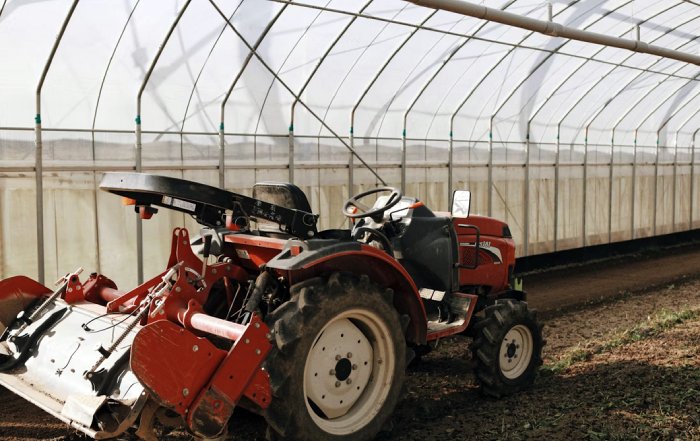
In response, autonomous tractors, robotic harvesters, and precision weeding robots are moving from experimental deployments to commercial scale. Companies such as Naïo Technologies, Blue River Technology (now part of John Deere), and Agrobot have advanced specialized machines capable of selectively removing weeds, harvesting delicate crops like strawberries and grapes, and performing repetitive tasks with minimal chemical inputs and reduced soil disturbance. These technologies enable more precise resource use and can support integrated pest management strategies that reduce reliance on synthetic herbicides and pesticides, aligning with stricter environmental regulations in the European Union and other jurisdictions.
The impact on rural employment is multifaceted rather than purely displacement-driven. Traditional manual roles may decline, but new positions emerge in robotics maintenance, data analytics, software integration, and digital advisory services. Governments in the European Union, Canada, Singapore, and New Zealand are investing in reskilling and vocational training programs to help rural workers transition into higher-value roles within the agricultural technology ecosystem. For readers monitoring how automation reshapes labor markets more broadly, BizNewsFeed's jobs coverage situates these rural workforce shifts within wider debates on the future of work.
In emerging markets across Africa, South Asia, and parts of Latin America, where most farms remain small and fragmented, full ownership of advanced robotics is often not financially viable. Instead, cooperative models, machinery rings, and "robotics-as-a-service" platforms are gaining traction, allowing smallholders to access advanced equipment through pay-per-use or subscription models. The central challenge for policymakers and investors is to ensure that automation enhances productivity and environmental performance without entrenching inequality or excluding smaller producers from the benefits of technological progress.
Fintech, Banking, and the New Capital Stack for Farms
The transformation of agriculture is capital-intensive, and in 2026 the financial architecture surrounding the sector is evolving rapidly. Traditional lending models, which relied heavily on land collateral, historical relationships with local banks, and relatively static risk assessments, are proving inadequate in an era defined by climate volatility, carbon markets, and data-rich farm operations. Banks and insurers in the United States, the United Kingdom, Germany, Switzerland, and the Netherlands increasingly use remote sensing, digital farm records, and AI-based risk models to underwrite loans, insurance policies, and supply chain finance. Institutions such as Rabobank, BNP Paribas, HSBC, and Standard Chartered have launched dedicated sustainable agriculture and nature-positive finance products, aligning with frameworks like the Principles for Responsible Banking and the Sustainable Development Goals. Readers looking to understand how these shifts fit into the broader evolution of financial services can explore BizNewsFeed's banking coverage, where green and transition finance for agriculture now feature prominently.
Fintech startups are critical actors in expanding access to capital, particularly in emerging markets across Africa, South and Southeast Asia, and Latin America. Digital platforms in Kenya, Nigeria, India, Indonesia, and Brazil use mobile data, satellite imagery, transaction histories, and agronomic profiles to extend microloans, input credit, and index-based crop insurance to smallholders who previously lacked formal financial access. Many of these platforms integrate agronomic advisory services, input marketplaces, logistics coordination, and payments into unified ecosystems, enabling farmers to purchase seeds and fertilizers on credit, receive tailored cultivation advice, and sell produce to buyers and processors with improved price transparency.
Simultaneously, sustainable finance is being reshaped by the maturation of carbon and broader ecosystem service markets. Farmers adopting regenerative practices-no-till or reduced-till farming, cover cropping, agroforestry, rotational grazing, and integrated crop-livestock systems-are increasingly able to generate carbon credits and biodiversity credits that can be sold to corporates seeking to meet net-zero and nature-positive commitments. Methodologies from organizations such as Verra, the Gold Standard, and the Climate Action Reserve are evolving to capture soil carbon, avoided deforestation, and other ecosystem benefits with greater scientific rigor. Corporate buyers and investors, often guided by analysis from the World Resources Institute (WRI) and similar organizations, are scrutinizing the integrity, additionality, and permanence of such credits, pushing the market toward higher quality and greater transparency.
For the BizNewsFeed audience, the intersection of agriculture, fintech, and capital markets is central to understanding both risk and opportunity, from early-stage agritech ventures to listed agribusinesses and infrastructure plays. The platform's funding coverage and markets reporting increasingly highlight how capital is being allocated to climate-smart agriculture, regenerative projects, and digital platforms that are redefining the sector's financial stack.
Blockchain, Crypto Infrastructure, and Traceable Supply Chains
While speculative cryptocurrency cycles have become less central to boardroom discussions, blockchain infrastructure continues to gain traction in agricultural supply chains where traceability, compliance, and trust are paramount. By 2026, traceability is no longer a niche requirement but a strategic imperative for regulators, retailers, and consumers concerned with food safety, ethical sourcing, deforestation, and climate-related disclosures. Blockchain-based systems are being used to record and verify the journey of coffee from Colombia and Ethiopia, cocoa from Côte d'Ivoire and Ghana, beef from Brazil and Australia, wine from France, Italy, and Spain, and fresh produce from the Netherlands and Morocco, from farm to retail shelf.
Major retailers and food companies, including Walmart, Carrefour, and Nestlé, have expanded pilots into operational blockchain-enabled traceability networks that allow rapid responses to contamination incidents and provide verifiable claims regarding organic certification, fair trade, or deforestation-free sourcing. Smart contracts are increasingly used to automate payments to farmers when predefined conditions are met, such as delivery of a specified volume of certified produce, adherence to regenerative practices, or achievement of measurable soil carbon improvements. In several African and Asian markets, blockchain platforms are integrated with mobile money ecosystems, reducing transaction costs and improving payment reliability for smallholders who supply regional and global value chains. Readers interested in how these developments connect to the broader digital asset and Web3 landscape can follow BizNewsFeed's crypto coverage, where agriculture is emerging as a high-impact, real-economy application of blockchain.
Nonetheless, blockchain deployment in agriculture faces important challenges. Ensuring that data entered into immutable ledgers is accurate, tamper-resistant, and free from fraud remains fundamentally a governance and institutional issue rather than a purely technical one. Interoperability between different blockchain platforms, alignment with evolving sustainability reporting standards, and the energy footprint of certain protocols continue to attract scrutiny. Policymakers in the European Union, Singapore, South Korea, and other innovation hubs are working to balance support for digital traceability with consumer protection, data privacy, and environmental considerations, while organizations such as the International Organization for Standardization (ISO) develop technical and process standards that may shape the next wave of blockchain adoption in food systems.
Regenerative and Climate-Smart Agriculture: Technology Anchored in Ecology
Beneath the expanding layers of digital infrastructure and financial innovation lies the ecological foundation of sustainable agriculture: the management of soil, water, biodiversity, and carbon cycles on the ground. Regenerative agriculture and climate-smart agriculture have moved firmly into the mainstream of policy and corporate strategy. Governments, agribusinesses, retailers, and institutional investors now frequently reference these frameworks when articulating their climate and nature commitments.
Regenerative agriculture emphasizes practices such as diversified crop rotations, cover crops, reduced or no-till cultivation, agroforestry, and holistic grazing, all aimed at restoring soil health, enhancing water retention, increasing biodiversity, and sequestering carbon. Climate-smart agriculture, promoted by the FAO and other multilateral institutions, focuses on simultaneously increasing productivity and incomes, strengthening resilience to climate shocks, and reducing or removing greenhouse gas emissions. Business leaders and investors seeking to understand how these frameworks influence corporate transition plans increasingly turn to resources such as the UN Environment Programme and the World Business Council for Sustainable Development. Learn more about sustainable business practices and how they are reshaping corporate strategy and reporting.
Technology plays a dual role as both enabler and validator of these ecological practices. Remote sensing, in-field sensors, and soil testing technologies track changes in soil organic carbon, moisture, and biological activity. AI models simulate the long-term impacts of different management scenarios on yields, profitability, and emissions, helping farmers and financiers evaluate trade-offs and design resilient systems. Digital platforms allow producers to document their practices, access agronomic support, and connect with buyers and financiers willing to pay premiums or provide preferential terms for verified regenerative outcomes. In Europe, the European Green Deal and the Farm to Fork Strategy continue to drive ambitious targets for reduced pesticide and fertilizer use, increased organic farming, and improved animal welfare, creating both compliance requirements and market opportunities for producers who adopt regenerative systems.
In North America, major food and beverage companies, including PepsiCo, Nestlé, and General Mills, have expanded regenerative sourcing programs, offering technical assistance and financial incentives to farmers transitioning to new practices. Across Africa, Asia, and Latin America, climate-smart agriculture is embedded in national adaptation plans and rural development strategies, often supported by the International Fund for Agricultural Development (IFAD) and regional development banks. For BizNewsFeed readers focused on ESG, climate, and sustainability, these shifts in land management practices are central to understanding how companies will meet their net-zero and nature-positive commitments. The platform's sustainable business coverage regularly examines how regenerative and climate-smart agriculture translate into financial performance, risk reduction, and brand differentiation.
Founders, Startups, and the Agritech Innovation Wave
The transformation of sustainable agriculture is being propelled not only by incumbents but also by a dynamic ecosystem of founders and startups that blend biology, software, hardware, and finance. From controlled-environment vertical farms in Singapore, the United Arab Emirates, and the United Kingdom, to soil microbiome and biological input companies in the United States, Canada, and Germany, to digital advisory and marketplace platforms in India, Indonesia, Kenya, and Brazil, entrepreneurs are targeting bottlenecks across the food value chain. Many of these founders bring backgrounds in machine learning, synthetic biology, climate science, and satellite engineering, often pairing with agronomists and farmers who provide deep domain expertise.
Specialized accelerators, incubators, and venture funds focused on climate and food systems-such as The Yield Lab, S2G Ventures, AgFunder, and regional programs supported by EIT Food in Europe-are providing capital, networks, and mentorship to early-stage agrifood tech companies. Corporate venture arms of major agribusiness players and food manufacturers are investing strategically to access innovation, secure supply chains, and accelerate decarbonization. In Europe, innovation hubs in the Netherlands, Germany, France, Denmark, Sweden, and Finland are fostering dense clusters of agritech activity, anchored by universities, research institutes, and public funding aligned with EU sustainability objectives. In North America, Silicon Valley, the U.S. Midwest, and Canadian centers such as Toronto, Montreal, and Vancouver are merging AI and robotics expertise with agricultural research. Across Asia, Singapore is positioning itself as a regional center for food-tech and alternative proteins, while India and China focus on scaling digital agriculture solutions to serve vast domestic markets.
For founders, operators, and investors within the BizNewsFeed community, understanding where capital is flowing, which business models are proving resilient, and how regulatory frameworks are evolving is essential. The platform's dedicated founders section and funding coverage provide profiles, deal analysis, and strategic context for the entrepreneurs and investors shaping the future of sustainable agriculture, from seed-stage startups to growth-stage platforms.
Trade, Geopolitics, and Food-System Volatility
Sustainable agriculture technology must be understood within the broader context of global trade patterns and geopolitical dynamics. The disruptions of the early and mid-2020s-from pandemic-related supply chain shocks to regional conflicts affecting grain, fertilizer, and energy exports-have elevated food security to a central strategic concern for governments worldwide. The United States, the United Kingdom, the European Union, China, India, Gulf states, and countries across Africa and Latin America are reassessing their dependencies on imported food and inputs, as well as their exposure to climate and geopolitical risks.
Technologies that enhance domestic production capacity, reduce reliance on imported fertilizers and pesticides, and diversify supply chains are increasingly viewed through a national security lens. Controlled-environment agriculture, including vertical farms and advanced greenhouse systems, is attracting investment in densely populated, import-dependent regions such as Singapore, the Gulf Cooperation Council countries, and parts of East Asia. Precision fertilizer application, the development of bio-based inputs, and circular nutrient management systems are gaining momentum as governments and companies seek to mitigate exposure to volatile global fertilizer markets influenced by energy prices and geopolitical tensions. Trade policy is also evolving, with sustainability criteria-deforestation-free sourcing, emissions intensity, and nature-related disclosures-being factored into trade agreements and regulatory regimes, particularly in Europe and North America.
Exporters in Brazil, Indonesia, Malaysia, and other major agricultural producers are adjusting to new requirements on traceability, land-use change, and emissions accounting, while simultaneously seeking to maintain competitiveness in global markets. Investors and traders rely on advanced analytics, climate models, and real-time logistics data to navigate increasingly frequent climate shocks, policy shifts, and changing consumer preferences toward sustainable and plant-based products. For readers tracking these intersections of trade, policy, and technology, BizNewsFeed's global coverage and news reporting provide ongoing insight into how sustainable agriculture technologies are both shaped by and shaping geopolitical and market realities.
Travel, Knowledge Exchange, and Human Capital
Despite the digitalization of agriculture, the sector's evolution remains deeply human, grounded in relationships, field-level learning, and cross-cultural exchange. In 2026, cross-border collaboration among researchers, policymakers, farmers, and entrepreneurs continues to accelerate through conferences, demonstration projects, and innovation tours. European delegations visit regenerative ranches in Australia, Argentina, and Brazil; African and Asian policymakers study digital agriculture platforms and cooperative models in India; North American investors assess climate-smart rice systems in Southeast Asia and agroforestry initiatives in West and Central Africa. These interactions are instrumental in translating global ideas into regionally adapted solutions and in building the trust required for long-term partnerships.
Business travel has become more selective and scrutinized for its carbon footprint, but it remains an important mechanism for building the networks and contextual understanding that cannot be fully replicated virtually. Hybrid models, combining targeted in-person visits with ongoing digital collaboration, are becoming standard practice. For executives and professionals who integrate sustainability, technology, and global operations into their travel decisions, BizNewsFeed's travel coverage increasingly highlights how mobility supports innovation ecosystems and knowledge transfer in agriculture and beyond.
At the farm and community level, human capital and social infrastructure are critical determinants of technological adoption. Local extension services, cooperatives, and farmer organizations play pivotal roles in interpreting digital recommendations, customizing practices to local agroecological conditions, and negotiating equitable contracts with technology providers and buyers. Without such intermediaries, even the most advanced tools struggle to achieve impact at scale. Training, trust-building, and participatory design are therefore becoming as important as hardware, software, and finance in determining the success of sustainable agriculture interventions.
The Strategic Imperative for 2026 and Beyond
As 2026 unfolds, sustainable agriculture technology is reshaping not only how food is produced but also how risk is priced, how capital flows, and how companies across sectors-from banking and technology to retail, logistics, and travel-formulate their strategies. For the global business audience of BizNewsFeed, the key strategic insight is that agriculture is no longer a peripheral concern confined to specialized teams; it is a cross-cutting domain at the intersection of climate transition, technological disruption, financial innovation, and social stability.
The next phase of this transformation will hinge on integration and trust. Integration involves connecting disparate data streams across farms, supply chains, and financial institutions; aligning financial incentives with ecological outcomes; and harmonizing sustainability standards and reporting frameworks across jurisdictions. Trust requires transparent data governance, fair value sharing with farmers and rural communities, robust verification of carbon and nature-based claims, and clear evidence that technology serves both profitability and planetary boundaries. Organizations that can demonstrate credible progress on these fronts will be better positioned to attract capital, secure supply, and maintain regulatory and social license to operate.
Business leaders, investors, and policymakers who engage deeply with sustainable agriculture today-understanding its technological frontiers, financial mechanisms, regulatory trajectories, and human dimensions-will be better equipped to navigate the uncertainties of the coming decade. For ongoing analysis across AI, banking, business, crypto, the global economy, sustainability, founders and funding, international markets, jobs, technology, and travel, BizNewsFeed remains committed to providing clear, authoritative, and trusted coverage at biznewsfeed.com, where sustainable agriculture now occupies a central place in the broader narrative of global business transformation.