

Sustainable Energy Solutions for Modern Business in 2026
Sustainable Energy as a Core Business Discipline
By 2026, sustainable energy has become a defining business discipline rather than an optional corporate responsibility initiative, and for the global readership of BizNewsFeed this shift is experienced directly in boardrooms, investment committees, and operating teams from New York and London to Singapore, Johannesburg, São Paulo, and Sydney. Executives now recognise that energy strategy is inseparable from questions of competitiveness, capital access, supply-chain resilience, and talent attraction, and the companies that treat sustainable energy as a core capability are increasingly those that outperform peers in volatile markets. As decarbonisation accelerates across advanced and emerging economies, energy decisions are evaluated not only on cost but also on their impact on brand credibility, regulatory compliance, and long-term enterprise value, with stakeholders expecting transparent, data-backed transition plans rather than high-level pledges.
In markets such as the United States, the United Kingdom, Germany, Canada, Australia, France, Italy, Spain, and the Netherlands, regulatory frameworks, industrial policy, and investor expectations are converging around the principle that energy and climate risks must be quantified and disclosed, pushing businesses to embed sustainable energy into capital expenditure planning, site selection, and technology adoption. Across Asia, from China, Japan, and South Korea to Singapore, Thailand, and Malaysia, governments and corporations are aligning energy policy with industrial competitiveness, while in South Africa, Brazil, and other fast-growing economies, the energy transition is increasingly framed as a pathway to economic diversification and job creation. For decision-makers following these developments through BizNewsFeed's economy and markets analysis, sustainable energy is no longer a niche topic but a lens through which shifts in global growth, trade, and investment flows must be interpreted.
The Global Energy Transition in 2026
The global energy landscape in 2026 is characterised by rapid yet uneven transition, where renewable energy capacity continues to expand at record pace while fossil fuels remain deeply embedded in industrial processes and transport, particularly in emerging markets and hard-to-abate sectors. The International Energy Agency provides a detailed picture of this evolution, noting in its latest assessments of global energy transitions that solar and wind have become the dominant sources of new power generation capacity worldwide, frequently undercutting new coal and gas on cost, even as grid bottlenecks, permitting delays, and policy uncertainty slow deployment in some jurisdictions. This dual reality creates a complex operating environment for businesses, which must hedge against both the physical risks of climate change and the transition risks associated with changing regulation and technology.
In Europe, the energy security crises of the early 2020s have led to a structural rethinking of corporate energy strategies, with businesses in Germany, France, Italy, Spain, the Netherlands, Switzerland, the Nordics, and the United Kingdom accelerating investment in on-site generation, long-term power purchase agreements, and demand-side flexibility to mitigate price volatility and supply disruptions. In North America, particularly in the United States and Canada, large-scale solar, onshore and offshore wind, and grid-scale storage have been propelled by a combination of tax incentives, public infrastructure programmes, and state-level mandates, while corporate demand from sectors such as technology, manufacturing, and logistics has underpinned a sophisticated market for renewable energy contracts. Readers tracking these developments through BizNewsFeed's markets coverage see how energy transition policies are reshaping valuation, risk premia, and strategic positioning across listed and private companies.
Across Asia, the picture remains highly differentiated. China continues to dominate global deployment of solar, wind, and batteries while also maintaining significant coal capacity, creating both competitive advantages in clean technologies and ongoing concerns about emissions trajectories. Japan and South Korea are pursuing ambitious plans in offshore wind, hydrogen, and advanced nuclear, while Singapore leverages regional interconnections, efficiency, and digitalisation to overcome land constraints. In Southeast Asia, including Thailand and Malaysia, energy strategies blend renewables, gas, and in some cases coal, reflecting diverse resource endowments and policy priorities. In Africa and South America, with South Africa and Brazil as key examples, abundant solar, wind, and hydro resources coexist with infrastructure gaps and financing constraints, forcing businesses to adopt hybrid solutions that combine on-site renewables, storage, and backup generation. For the global business audience of BizNewsFeed, understanding these regional nuances is essential when assessing cross-border supply chains, investment risks, and the broader global business environment.
Technologies Underpinning the Sustainable Enterprise
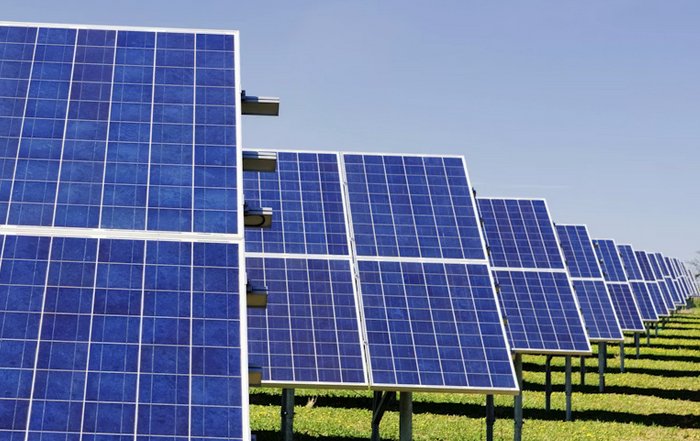
In 2026, sustainable energy strategies for business are built around a portfolio of technologies whose economics, maturity, and risk profiles differ across geographies and sectors, and executives must develop sufficient technical literacy to make informed decisions about which combinations best support their operational and financial objectives. Solar photovoltaics remain the cornerstone of corporate decarbonisation, with utility-scale plants, rooftop systems, and carport arrays now ubiquitous at corporate campuses, logistics centres, and industrial facilities from California and Texas to Bavaria, Ontario, New South Wales, and beyond. Integration with smart inverters, building management systems, and real-time monitoring platforms has transformed solar from a static asset into a dynamic component of intelligent energy systems, a trend frequently analysed within BizNewsFeed's technology insights.
Onshore and offshore wind continue to play a central role for large energy users, particularly data centres, heavy industry, and transport hubs in regions with strong wind resources such as the North Sea, the US Midwest, parts of Canada, Brazil, and coastal China. Long-term power purchase agreements with wind developers enable corporates to lock in pricing, demonstrate climate leadership, and support new capacity additions, but they also require sophisticated risk management, legal structuring, and accounting treatment. Energy storage has moved from pilot projects to mainstream infrastructure, with lithium-ion systems dominating deployments while alternative chemistries, including sodium-ion and solid-state batteries, move closer to commercial readiness. These storage assets allow businesses to smooth consumption, manage peak demand, and participate in grid services markets, and technical guidance from institutions such as the U.S. Department of Energy, which provides information on emerging clean energy technologies, has helped corporates evaluate performance, safety, and lifecycle considerations.
Energy efficiency remains the most universally applicable and cost-effective sustainable energy solution, even as it often receives less public attention than visible generation assets. Upgrades to lighting, HVAC systems, process equipment, and building envelopes continue to deliver rapid payback periods, particularly when combined with digital twins, Internet of Things sensors, and advanced analytics that enable granular optimisation of energy use. Industrial leaders in Germany, Italy, Japan, and South Korea, for example, have long leveraged efficiency as a competitive weapon, and in 2026 the integration of artificial intelligence into building and process control systems has further enhanced these gains. Readers interested in how AI-driven optimisation is reshaping energy consumption can explore related analysis within BizNewsFeed's dedicated AI reporting, where predictive maintenance, anomaly detection, and intelligent controls are recurring themes.
Emerging technologies now occupy a more prominent place in corporate strategies, particularly for sectors where direct electrification is difficult. Green hydrogen is being tested at scale in steel, chemicals, and heavy transport across Europe, the Middle East, and Asia, while carbon capture, utilisation, and storage projects are moving from concept to early commercial deployment in North America, the United Kingdom, and parts of Asia. Advanced nuclear technologies, including small modular reactors, are attracting renewed interest as potential sources of firm, low-carbon power for industrial clusters and remote sites. Organisations such as the World Resources Institute provide in-depth analysis on decarbonisation pathways that helps businesses evaluate where these emerging options fit into realistic medium- and long-term transition plans, avoiding both over-optimism and undue scepticism.
Financing the Corporate Energy Transition
The financial architecture supporting sustainable energy in 2026 has grown more sophisticated and accessible, enabling corporates of varying sizes and credit profiles to pursue ambitious energy transition programmes. Global banks have embedded sustainable finance into their core strategies, with dedicated units offering green loans, sustainability-linked loans, and project finance tailored to renewable energy, efficiency, and grid infrastructure. Credit terms increasingly incorporate performance-based incentives, where interest margins are linked to emissions reductions, renewable energy procurement, or verified improvements in energy intensity. For readers monitoring how these trends reshape financial products and risk models, BizNewsFeed's banking coverage provides context on the evolving relationship between climate strategy and balance sheet management.
Power purchase agreements remain a cornerstone instrument for large energy consumers, allowing them to access renewable electricity without owning generation assets directly, while transferring construction and operational risks to specialist developers. Green bonds and sustainability-linked bonds have become firmly established in global capital markets, with issuances financing everything from on-site solar and wind projects to large-scale efficiency retrofits and electric vehicle infrastructure, and coupon adjustments tied to clearly defined sustainability key performance indicators. Institutions such as the International Finance Corporation offer guidance on sustainable finance frameworks that help issuers structure transactions and investors assess credibility, impact, and alignment with emerging taxonomies.
Private equity, infrastructure funds, and sovereign wealth funds have expanded their allocations to energy transition assets, creating opportunities for corporates to monetise existing infrastructure, co-invest in new projects, or form strategic partnerships with capital providers that bring both funding and sector expertise. In emerging and frontier markets across Africa, Asia, and South America, multilateral development banks and climate funds continue to play a catalytic role by providing blended finance, guarantees, and technical assistance to de-risk projects and crowd in private investment. For founders and growth-stage companies operating at the intersection of energy, technology, and climate, the funding landscape is dynamic and competitive, with specialist climate-tech investors, corporate venture arms, and impact funds all seeking scalable solutions; BizNewsFeed regularly tracks these dynamics through its funding coverage and founders-focused reporting, highlighting transaction structures, valuation trends, and strategic investor partnerships.
Digitalisation, AI, and the Intelligent Energy Enterprise
Digitalisation is now the connective layer that allows sustainable energy investments to translate into operational, financial, and strategic value, and by 2026 the concept of the intelligent energy enterprise has moved from early adopters into mainstream corporate practice. Advanced analytics platforms integrate data from smart meters, process sensors, building management systems, weather services, and market price feeds, enabling real-time optimisation of consumption, automated load shifting, and predictive maintenance of critical assets. For multinational corporations operating data centres, manufacturing plants, and logistics networks across the United States, Canada, Germany, the Netherlands, Sweden, Singapore, and beyond, these capabilities are essential to manage complexity and volatility in increasingly decentralised energy systems.
Artificial intelligence plays a central role in this transformation, with machine learning models forecasting demand profiles, identifying inefficiencies, and recommending system reconfigurations in ways that would be difficult for human operators to match. Scenario-planning tools allow energy and finance teams to stress-test different technology and procurement options under varying assumptions about regulation, commodity prices, and technology costs. The broader implications of these developments, including governance, ethics, and regulation, are explored in depth within BizNewsFeed's AI section, reflecting the reality that AI in energy is not only a technical issue but also one of organisational design and risk management.
The growing digitalisation of energy assets also elevates cybersecurity to a board-level concern, as attacks on energy management systems, distributed generation, or grid interfaces can disrupt operations and damage brand trust. This has prompted closer collaboration between chief information security officers, chief sustainability officers, and operations leaders, as well as engagement with external experts and regulators to develop robust standards and incident response capabilities. Bodies such as the International Organization for Standardization are updating and expanding energy management standards to address interoperability, data security, and resilience, helping companies design systems that are not only efficient and low-carbon but also secure and reliable.
Regulation, ESG Expectations, and Disclosure
Regulation and environmental, social, and governance expectations have become powerful, mutually reinforcing drivers of corporate sustainable energy strategies in 2026. In the European Union, the expansion of sustainability reporting rules has significantly raised the bar for disclosure on energy use, emissions, and climate risk, while in the United States, the United Kingdom, Canada, Australia, and several Asian markets, securities regulators and stock exchanges are tightening guidance on climate-related financial disclosures. Frameworks developed by the Task Force on Climate-related Financial Disclosures, whose work on climate risk reporting has become a global reference point, continue to shape how companies structure their narrative and quantitative disclosures, and investors increasingly expect alignment with these principles.
Institutional investors, including pension funds, asset managers, and sovereign wealth funds across Europe, North America, and Asia, are integrating ESG criteria into investment decisions with greater rigour, often engaging directly with portfolio companies to demand credible transition plans with interim targets and clear governance structures. This scrutiny extends beyond headline commitments to net-zero emissions and focuses on the underlying energy mix, capital allocation, and alignment of executive incentives with sustainability outcomes. Companies that cannot demonstrate progress face reputational damage, potential exclusion from ESG-focused indices, and in some cases higher capital costs. For corporate leaders navigating this landscape, BizNewsFeed's business coverage and news reporting offer a consolidated view of how regulatory and investor expectations are evolving across sectors and jurisdictions.
Governments are also using a mix of carbon pricing, subsidies, standards, and public procurement to steer markets toward cleaner energy solutions. The European Union's carbon border adjustment mechanism is influencing investment decisions in emissions-intensive industries far beyond Europe's borders, while national and subnational governments in the United States, Canada, the United Kingdom, and parts of Asia-Pacific are deploying targeted incentives for renewables, storage, hydrogen, and efficiency. In emerging markets, policy frameworks remain more varied, but the overarching direction is toward greater alignment with global climate goals, driven in part by trade considerations and access to international finance. Multinational businesses must therefore design energy strategies that are flexible enough to operate within this regulatory diversity while coherent enough to satisfy global investors and other stakeholders.
Regional Dynamics: Opportunities and Constraints
The opportunities and constraints associated with sustainable energy solutions differ markedly across regions, and the global audience of BizNewsFeed encounters these realities in their own markets. In North America, abundant land, competitive renewables economics, and supportive policy frameworks have enabled rapid growth in solar, wind, and storage, yet grid interconnection queues, aging infrastructure, and local opposition to new projects can delay implementation. In the United States and Canada, corporations are increasingly engaging with regulators and utilities to co-design grid modernisation programmes that support electrification of transport and industry while integrating large volumes of distributed generation.
In the United Kingdom and continental Europe, high energy prices and concerns about supply security have reinforced the business case for efficiency, on-site generation, and demand flexibility, yet complex permitting regimes and grid constraints can slow large-scale projects, particularly onshore wind and utility-scale solar in densely populated regions. Countries such as Germany, France, Italy, Spain, the Netherlands, and the Nordic states are at the forefront of integrating high shares of renewables into their grids, and many companies in these markets are experimenting with sector coupling between electricity, heat, and mobility, as well as participating in local flexibility markets. The broader implications of these shifts for trade, competitiveness, and investment are examined in BizNewsFeed's global reporting, which connects energy developments to wider geopolitical and economic trends.
In Asia, diversity is the defining characteristic. Japan and South Korea are investing heavily in offshore wind, hydrogen, and advanced grid technologies; Singapore is building a role as a regional hub for green finance and energy trading; China is both the world's largest installer of renewables and a major producer of clean energy technologies; and Southeast Asian economies such as Thailand and Malaysia are gradually expanding their renewable portfolios while balancing affordability and reliability concerns. In Africa and South America, with South Africa and Brazil as leading examples, businesses often rely on hybrid solutions that combine on-site solar, storage, and backup generation to manage unreliable grids or remote operations, and partnerships with development banks, impact investors, and local communities are frequently essential. Sectors that depend heavily on international travel and logistics, including aviation, tourism, and global supply chains, face particular pressure to decarbonise, and readers can follow how these industries respond through BizNewsFeed's travel coverage, where sustainable aviation fuels, low-carbon hospitality, and green mobility are now central themes.
Talent, Jobs, and Organisational Capability
The energy transition is reshaping labour markets and organisational structures, creating new roles while transforming existing ones, and by 2026 companies across the United States, United Kingdom, Germany, Canada, Australia, France, Italy, Spain, the Netherlands, Switzerland, China, Sweden, Norway, Singapore, Denmark, South Korea, Japan, Thailand, Finland, South Africa, Brazil, Malaysia, and New Zealand are competing for talent that can bridge engineering, data science, finance, and policy. Traditional energy managers have evolved into strategic energy and sustainability leaders, facility managers are becoming digital operations specialists, and finance teams are expected to understand green taxonomies, climate risk, and sustainable finance instruments. For professionals and employers navigating these changes, BizNewsFeed's jobs insights provide a window into emerging roles, required skills, and regional hiring trends.
Companies are also investing heavily in reskilling and internal education to ensure that employees at all levels understand the rationale for sustainable energy initiatives and can contribute to their success, whether by embracing new operating procedures, participating in innovation programmes, or integrating energy considerations into product and service design. Universities, technical institutes, and professional associations across North America, Europe, and Asia are expanding programmes that blend energy systems, sustainability, digital technologies, and business strategy, often in partnership with industry. Organisations such as the International Labour Organization provide analysis on green jobs and skills that helps policymakers and businesses anticipate workforce needs and manage just transition challenges, particularly in regions and sectors heavily dependent on fossil-fuel industries.
Leadership and governance are critical enablers of this organisational transformation. Boards and executive teams must integrate energy and climate considerations into core strategic and financial decision-making rather than treating them as peripheral issues. This often involves revisiting incentive structures, risk management frameworks, and capital allocation processes, as well as ensuring that sustainability expertise is represented at board level. For founders and entrepreneurs, particularly in climate-tech and energy-focused ventures, the ability to articulate a credible energy vision and build mission-aligned teams has become a decisive factor in attracting capital and strategic partners, a theme that regularly appears in BizNewsFeed's coverage of founders and funding stories.
Strategic Roadmaps for 2026 and Beyond
For businesses seeking to convert the broad imperative of sustainable energy into concrete, value-creating action, the challenge in 2026 is to design and execute strategic roadmaps that align technology choices, financing structures, regulatory requirements, and organisational capabilities over realistic time horizons. Leading companies begin with rigorous baselining of their current energy use, emissions profile, and exposure to physical and transition risks, followed by scenario analysis that explores different combinations of on-site generation, off-site procurement, efficiency measures, and emerging technologies under varying regulatory and market conditions. This analytical foundation is increasingly supported by advanced data platforms and external advisory expertise, but it also requires internal cross-functional collaboration between operations, finance, procurement, sustainability, and risk teams.
From this foundation, organisations prioritise portfolios of initiatives that balance near-term wins, such as targeted efficiency upgrades or renewable energy certificates, with longer-term infrastructure investments, digital platforms, and innovation partnerships. Clear governance structures, metrics, and reporting mechanisms are essential to track progress, adjust course, and communicate credibly with investors, regulators, customers, and employees. For executives and investors seeking to place these decisions in a broader macroeconomic and sectoral context, BizNewsFeed's coverage of the global economy and business environment and its dedicated business section offer a consolidated view of how energy transition dynamics intersect with growth, inflation, supply chains, and capital markets.
Ultimately, sustainable energy solutions for modern business in 2026 are not a discrete project or a short-term campaign but an ongoing transformation that touches every dimension of corporate strategy, operations, finance, and culture. The organisations that will thrive over the coming decade are those that approach this transformation with seriousness and discipline, combining technological innovation with robust governance, sound financing, and an authentic commitment to transparency and stakeholder engagement. As this transition accelerates across North America, Europe, Asia, Africa, and South America, BizNewsFeed will continue to provide its global audience with analysis, news, and perspectives that illuminate not only the technologies and policies at play but also the practical decisions and trade-offs that leaders must navigate to build resilient, competitive, and trusted enterprises in an increasingly low-carbon world.