

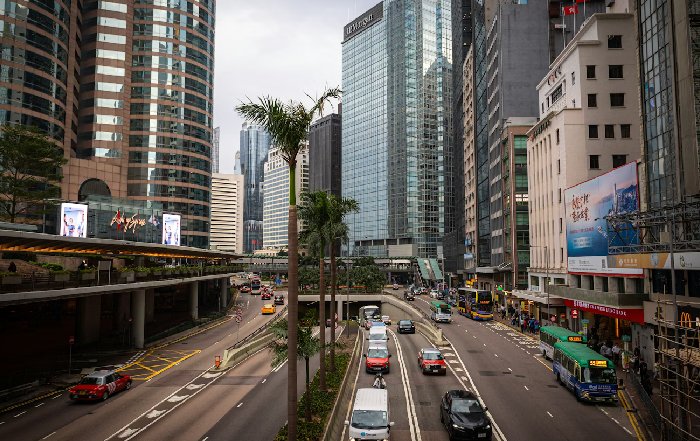
Sustainable Cities Integrate Smart Grid Technology: The New Infrastructure of Urban Competitiveness
How Smart Grids Became the Backbone of Sustainable Cities
The conversation about sustainable cities has moved decisively from vision to execution, and at the center of this shift sits smart grid technology, which has evolved from a technical upgrade to legacy power networks into a strategic asset that shapes economic competitiveness, investment flows, job creation, and climate resilience across major urban regions. For biznewsfeed.com subscribers tracking the intersection of technology, energy, finance, and policy, smart grids now represent one of the clearest examples of how digital infrastructure, data-driven management, and sustainability commitments converge to redefine what it means for a city-from New York to Singapore, Berlin, London, Toronto, Sydney, and Cape Town-to be globally investable and future-ready.
A smart grid, in its most current form, is not merely an electricity network with digital meters and automated switches; it is an integrated, data-rich platform that connects distributed energy resources such as rooftop solar, grid-scale batteries, electric vehicles, flexible industrial loads, and increasingly intelligent buildings, orchestrating them in real time to balance supply and demand, reduce carbon emissions, and optimize cost. Institutions such as the International Energy Agency (IEA) now frame smart grids as indispensable to achieving net-zero commitments, and investors increasingly treat grid modernization as a prerequisite for large-scale deployment of renewable energy and electrification of transport and heating. For business leaders and policymakers, understanding how sustainable cities integrate smart grid technology has shifted from a technical curiosity to a core component of strategic planning, risk management, and capital allocation.
Readers exploring the broader economic and policy context around this transformation can find additional coverage on global economic shifts and infrastructure investment at biznewsfeed.com, where smart grids regularly intersect with themes such as inflation, energy prices, and industrial competitiveness.
From Legacy Networks to Intelligent Infrastructure
The journey from legacy power grids to intelligent, software-defined energy platforms has unfolded unevenly across regions, but the direction of travel is unmistakable. Traditional grids were designed for one-way power flows from large centralized power plants to passive consumers, with limited real-time visibility and manual control. In contrast, modern smart grids in leading cities across North America, Europe, and parts of Asia and Africa rely on advanced metering infrastructure, pervasive sensing, distributed control systems, and increasingly sophisticated analytics and artificial intelligence to orchestrate millions of devices and data points.
Organizations such as the U.S. Department of Energy have documented how smart grid deployments improve reliability, reduce outage durations, and enable higher penetration of renewables; readers can explore technical and policy frameworks in resources such as the DOE's smart grid programs and their impact on resilience and decarbonization, which align closely with the trends observed in financial centers like New York, Chicago, and San Francisco where grid modernization is intertwined with broader decarbonization mandates. Similarly, in Europe, the European Commission has tied smart grid investment to its Green Deal and Fit for 55 package, positioning digitalized energy networks as critical infrastructure for the continent's climate and industrial strategies.
For biznewsfeed.com, which covers the evolving landscape of technology-driven business transformation, the grid's evolution is emblematic of a deeper structural shift: power systems are becoming data platforms, and cities that fail to modernize risk not only higher emissions and energy costs but also diminished attractiveness for data centers, advanced manufacturing, and high-growth startups that depend on reliable, low-carbon, and increasingly programmable energy supply.
The Economic Logic of Smart Grids in Urban Markets
Behind the technical language of sensors and inverters lies a compelling economic story. In leading sustainable cities, smart grid investments are being justified not only on environmental grounds but also through quantifiable benefits in operational efficiency, reduced capital expenditures, and new revenue streams. Utilities and regulators in markets such as the United States, United Kingdom, Germany, Canada, and Australia have documented significant reductions in technical and non-technical losses, lower outage costs, and improved asset utilization when smart grid capabilities are deployed at scale. These efficiencies translate into more stable tariffs, improved credit profiles for utilities, and more predictable conditions for businesses operating in energy-intensive sectors from logistics to advanced manufacturing.
Global institutions like the World Bank and International Renewable Energy Agency (IRENA) have highlighted how grid modernization underpins the economics of renewable energy integration, particularly in emerging markets across Asia, Africa, and South America, where rapidly growing urban populations and rising electricity demand create both risks and opportunities. Learn more about how modern energy systems support sustainable development and private investment by exploring their analyses of grid flexibility, distributed energy, and regulatory reform. For investors, infrastructure funds, and corporate strategists following biznewsfeed.com's coverage of markets and capital flows, smart grids increasingly appear not as isolated projects but as foundational assets that shape long-term economic competitiveness, especially in cities vying to attract global capital, talent, and innovation.
AI, Data, and the Intelligent City Energy System
By 2026, artificial intelligence has moved from pilot projects to mainstream deployment in grid operations, making AI a central theme in the integration of smart grids into sustainable urban strategies. Grid operators and technology providers, including major players such as Siemens, Schneider Electric, ABB, and Hitachi Energy, are embedding machine learning into demand forecasting, fault detection, predictive maintenance, and real-time optimization of distributed energy resources. This shift allows systems to anticipate and respond to fluctuations in demand and renewable generation with far greater precision, reducing the need for expensive backup capacity and smoothing volatility in energy markets.
For business readers tracking AI's impact across sectors, biznewsfeed.com's dedicated coverage of AI in business and infrastructure offers deeper insight into how algorithms are reshaping operational models and investment priorities. Cities such as Singapore, Seoul, Amsterdam, and Copenhagen are now widely cited as leaders in applying AI to urban energy management, integrating data from buildings, electric vehicle charging networks, public transport, and even weather models to orchestrate energy flows with remarkable granularity. Research from institutions like the Massachusetts Institute of Technology (MIT) and Imperial College London underscores how AI-enabled demand response and dynamic pricing can align consumer behavior with system needs, lowering peak demand and enabling higher renewable penetration without compromising reliability.
However, the increasing reliance on data and AI also raises questions of governance, cybersecurity, and public trust. Leading utilities and city governments are therefore investing heavily in data governance frameworks, encryption, and secure-by-design architectures, recognizing that any significant breach or failure in smart grid systems would not only disrupt power supply but also undermine confidence in broader smart city initiatives. These concerns have made cybersecurity standards from organizations like NIST and ENISA central to procurement and regulatory oversight, reinforcing the idea that energy digitalization is inseparable from digital risk management.
Banking, Investment, and the Financing of Grid Transformation
The scale of capital required to modernize urban grids is immense, and by 2026, the financial architecture supporting these investments has become more sophisticated and diversified. Traditional utility balance sheets are now complemented by green bonds, sustainability-linked loans, infrastructure funds, and blended finance structures that draw in multilateral development banks, sovereign wealth funds, and private equity. Major financial institutions such as HSBC, BlackRock, BNP Paribas, and Goldman Sachs have integrated grid modernization and distributed energy infrastructure into their sustainable finance taxonomies, often tying financing terms to measurable performance indicators such as emissions reduction, renewable integration capacity, and reliability metrics.
For readers of biznewsfeed.com interested in the banking and finance dimensions of this transition, the platform's coverage of banking innovation and sustainable finance provides context on how lenders assess regulatory risk, technology risk, and social acceptance when underwriting grid-related projects. Regulatory frameworks in jurisdictions like the European Union, United Kingdom, United States, and Singapore have also evolved, with green taxonomies and disclosure rules from bodies such as the European Banking Authority and SEC influencing how banks categorize and report smart grid investments. Investors increasingly scrutinize not only the financial returns but also the climate and social impact of these projects, aligning with broader ESG expectations and the risk management imperatives of long-duration infrastructure assets.
In emerging markets, blended finance structures supported by institutions like the World Bank Group and Asian Development Bank are helping to de-risk early-stage smart grid investments, particularly in fast-growing urban centers across India, Southeast Asia, Africa, and Latin America, where the combination of rapid urbanization and climate vulnerability makes resilient, flexible grids an urgent priority. These financial innovations highlight how smart grids are not simply engineering projects but complex, multi-stakeholder undertakings that require alignment between regulators, utilities, technology providers, and capital markets.
Startups, Founders, and the New Energy-Tech Ecosystem
Beyond large utilities and multinational engineering firms, the integration of smart grid technology into sustainable cities has catalyzed a vibrant ecosystem of startups and founders working at the intersection of software, hardware, and energy markets. In hubs such as San Francisco, Berlin, London, Stockholm, Toronto, Singapore, and Sydney, entrepreneurs are building solutions in areas such as virtual power plants, peer-to-peer energy trading, grid-edge analytics, EV charging orchestration, and home energy management. Platforms that aggregate residential solar, batteries, and electric vehicles into dispatchable resources are particularly prominent, providing system operators with flexible capacity while offering households and businesses new revenue streams.
For founders and investors following biznewsfeed.com's coverage of startup ecosystems and entrepreneurial leadership, smart grid integration represents a rich field of opportunity where regulatory complexity and infrastructure inertia coexist with massive addressable markets and long-term demand certainty. Venture capital and growth equity investors are increasingly comfortable with energy-tech business models that blend SaaS economics with infrastructure-like asset intensity, especially when they are underpinned by long-term contracts with utilities, cities, or large corporate customers. Detailed insights into funding trends, deal structures, and exit pathways in this space are regularly explored in biznewsfeed.com's funding and capital markets section, where energy-tech is now firmly established as a core theme alongside fintech, AI, and enterprise software.
The rise of energy-tech founders also reflects a broader talent shift: engineers and data scientists who might previously have focused on consumer apps or traditional enterprise IT are increasingly drawn to climate and infrastructure challenges, seeing in smart grids an opportunity to apply advanced analytics, cloud computing, and edge intelligence to problems with tangible societal impact. This migration of talent is particularly evident in cities that have positioned themselves as climate innovation hubs, supported by public R&D programs, university-industry partnerships, and targeted incentives for clean technology startups.
Jobs, Skills, and the Workforce of the Electrified City
As smart grid deployments accelerate, labor markets across North America, Europe, Asia-Pacific, and Africa are being reshaped by the demand for new skills in grid engineering, data science, cybersecurity, power electronics, and field operations. The transition is not merely about replacing legacy roles but about augmenting them, as traditional electrical engineering expertise is combined with software development, cloud architecture, and AI-driven decision support. For workers and employers tracking these shifts, biznewsfeed.com's coverage of jobs and future skills in the digital economy provides ongoing analysis of how energy transition projects influence employment patterns, wage dynamics, and training needs.
Organizations such as the International Labour Organization (ILO) and World Economic Forum (WEF) have highlighted that while the energy transition may displace some roles tied to fossil fuel generation and conventional grid operations, it also creates substantial new employment in grid modernization, renewable integration, building retrofits, and EV infrastructure. Cities that proactively invest in reskilling and vocational training-often through partnerships between utilities, technical colleges, and private training providers-are better positioned to ensure a just transition for workers while maintaining the talent pipelines required to deliver complex, multi-year grid projects.
The workforce dimension also underscores the importance of trust and social acceptance in smart grid rollouts. Public concerns about data privacy, health impacts of new infrastructure, or perceived inequities in tariff structures can slow or derail projects if not addressed transparently and inclusively. Successful cities and utilities increasingly engage communities early, provide clear information about benefits and trade-offs, and design tariff and incentive structures that avoid disproportionately burdening low-income households. This social license to operate is now widely recognized as a critical success factor, on par with technical performance and financial viability.
Crypto, Digital Assets, and Grid Flexibility
The intersection between smart grids and digital assets has been a contentious but increasingly sophisticated area of discussion, particularly as crypto mining and blockchain-based platforms interact with energy systems. In the early 2020s, concerns about the energy consumption of proof-of-work cryptocurrencies prompted significant backlash, especially in regions already grappling with grid constraints. By 2026, however, the narrative has become more nuanced, with some grid operators and energy-tech firms exploring how flexible crypto mining operations and blockchain-enabled energy markets can contribute to grid stability and renewable integration when appropriately regulated and incentivized.
Readers of biznewsfeed.com interested in the evolving relationship between energy systems and digital assets can explore detailed coverage in the platform's crypto and digital infrastructure section, where case studies from North America, Europe, and Asia highlight both risks and emerging best practices. In some jurisdictions, regulators and utilities have experimented with demand response programs that treat crypto mining facilities as controllable loads, able to ramp down during peak demand or grid stress events in exchange for financial incentives. At the same time, blockchain-based platforms are being piloted for local energy markets, enabling peer-to-peer trading of rooftop solar generation or community battery capacity, though these remain at an early stage relative to traditional market mechanisms.
Policymakers in countries such as Germany, Norway, Canada, and Singapore are increasingly focused on ensuring that digital asset activities align with climate and grid resilience goals, using tools such as differentiated tariffs, licensing requirements, and location-based incentives. This convergence of energy policy and digital asset regulation illustrates the broader trend in which smart grids are not isolated technical systems but embedded in complex economic and regulatory ecosystems that span finance, technology, and climate policy.
Global Leadership, Regional Variations, and Competitive Positioning
While the vision of sustainable, smart-grid-enabled cities is global, its implementation reflects regional economic structures, regulatory cultures, and resource endowments. In Europe, countries such as Germany, Denmark, Sweden, Netherlands, Spain, and France have leveraged strong policy frameworks and high renewable penetration to pioneer advanced grid flexibility solutions, often supported by cross-border interconnections and coordinated EU-level regulation. In North America, the United States and Canada exhibit a patchwork of approaches, with some states and provinces leading in distributed energy integration and grid modernization, while others remain constrained by regulatory inertia or aging infrastructure.
In Asia, economies like Japan, South Korea, Singapore, and increasingly China have invested heavily in digital grid technologies, often linking them to industrial policy priorities such as electric vehicles, semiconductor manufacturing, and data center expansion. Emerging economies in Southeast Asia, India, and Africa face the dual challenge of expanding access and reliability while modernizing infrastructure, but they also benefit from the ability to leapfrog some legacy technologies and adopt more modular, distributed solutions. In South America, countries such as Brazil and Chile are exploring how smart grids can support high renewable shares and long-distance transmission, while grappling with investment and governance constraints.
For a global business audience, biznewsfeed.com's international and global business coverage provides a comparative lens on how different regulatory models, investment climates, and industrial strategies shape smart grid deployment and, by extension, urban competitiveness. Cities that combine clear policy direction, investor-friendly regulation, and strong institutional capacity are emerging as benchmarks, attracting not only infrastructure capital but also corporate headquarters, innovation centers, and talent pools that value reliable, low-carbon, and resilient energy systems.
Smart Grids, Sustainable Travel, and the Electrified Mobility Ecosystem
The integration of smart grid technology into sustainable cities is closely tied to the transformation of urban mobility, particularly the rapid growth of electric vehicles, electric buses, and rail-based transport. As EV adoption accelerates across United States, United Kingdom, Germany, France, Italy, Spain, Netherlands, Norway, China, Japan, South Korea, and Australia, charging infrastructure has become both a challenge and an opportunity for grid planners. Unmanaged charging can strain local networks, but when intelligently coordinated through smart chargers, time-of-use pricing, and vehicle-to-grid (V2G) technologies, EVs can act as distributed storage assets that support grid stability and renewable integration.
Travel and tourism sectors are also increasingly intertwined with smart grid deployment, as airports, hotels, and transport hubs invest in on-site solar, battery storage, and EV charging to reduce emissions and meet the expectations of climate-conscious travelers and corporate clients. Learn more about how sustainable mobility and infrastructure are reshaping global travel patterns through industry analyses and case studies that highlight the business implications of electrified transport corridors, green airports, and climate-aligned tourism strategies. For readers of biznewsfeed.com, the interplay between travel, sustainability, and infrastructure underscores that smart grids are not confined to utility control rooms but extend into the everyday experience of residents, commuters, and visitors.
Trust, Governance, and the Role of Media in the Smart Grid Era
As cities worldwide continue to integrate smart grid technology into their sustainability and competitiveness strategies, the importance of trust, transparent governance, and informed public discourse cannot be overstated. The complexity of these systems, and the long-term nature of the investments involved, mean that misaligned incentives, opaque decision-making, or inadequate communication can erode support and slow progress. Independent analysis, critical reporting, and informed commentary play a vital role in bridging the gap between technical detail, financial structuring, and public understanding.
For biznewsfeed.com, smart grids are more than a technology story; they sit at the intersection of business strategy, policy, finance, innovation, and global economic trends. By tracking developments across AI, banking, crypto, sustainability, founders, funding, markets, technology, jobs, and travel, the platform aims to provide a holistic view of how sustainable cities are being built-not in isolation, but as part of a broader transformation in how economies produce, distribute, and consume energy. Readers seeking to deepen their understanding of these interconnected themes can explore the full range of coverage at biznewsfeed.com, where smart grid integration will remain a central thread in the evolving narrative of sustainable, competitive, and resilient cities in 2026 and beyond.